
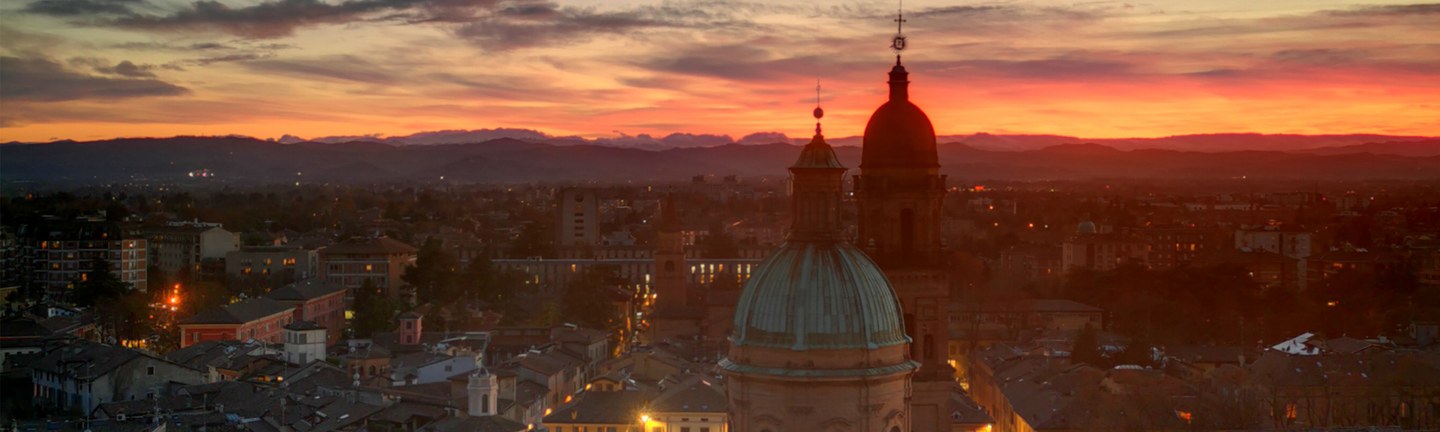
Reggio Emilia in 2 Days
A weekend of history, local flavours, and the Matildic Lands
Day 1
THE HEART OF REGGIO EMILIA
Your weekend begins with one of the symbols of contemporary Reggio Emilia.
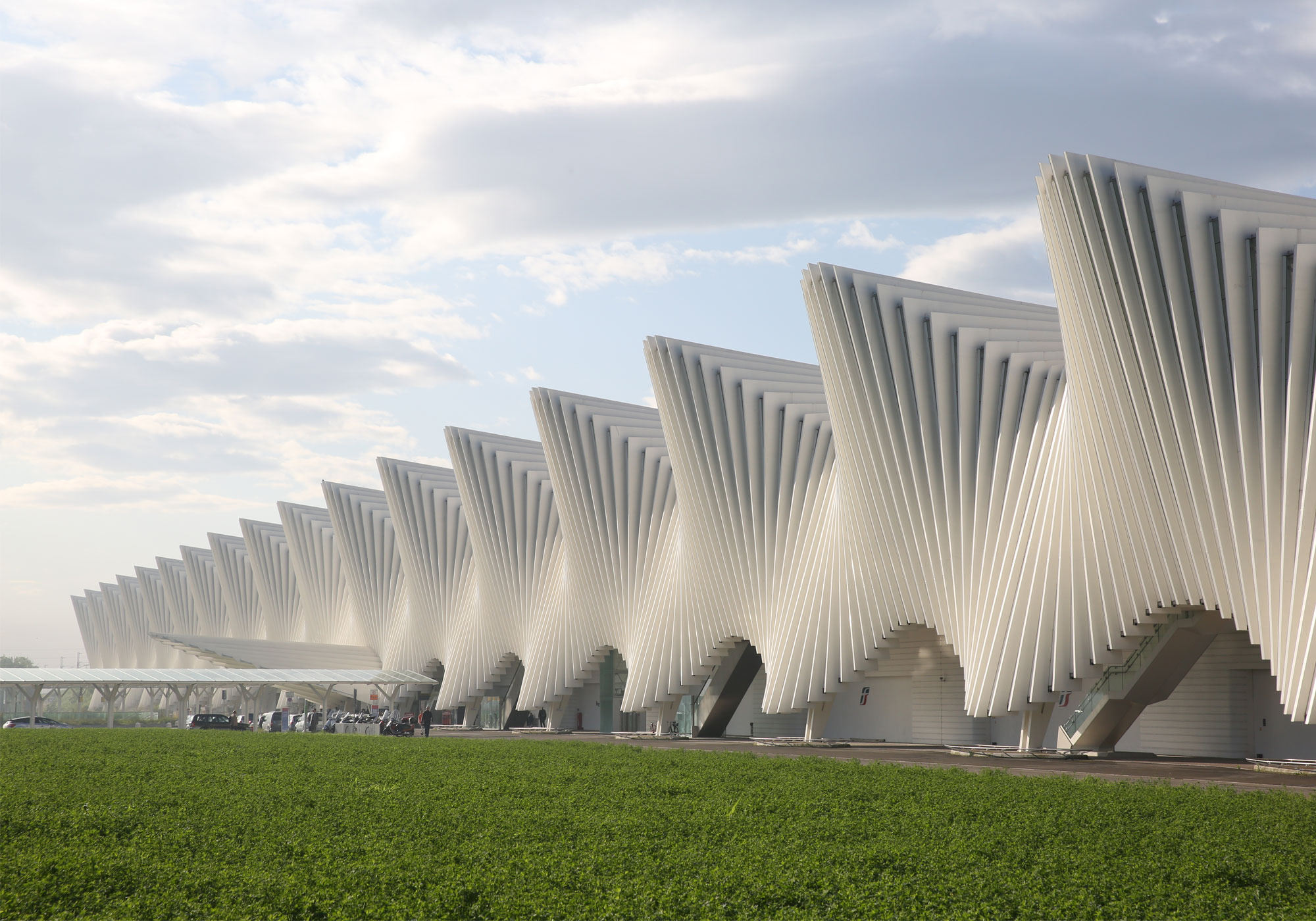
Whether you arrive by car or train, you will be welcomed by the spectacular works of Santiago Calatrava: the three bridges with their dramatic white arches and the futuristic AV Mediopadana High-Speed Railway Station, which over the years have become iconic gateways to the city.
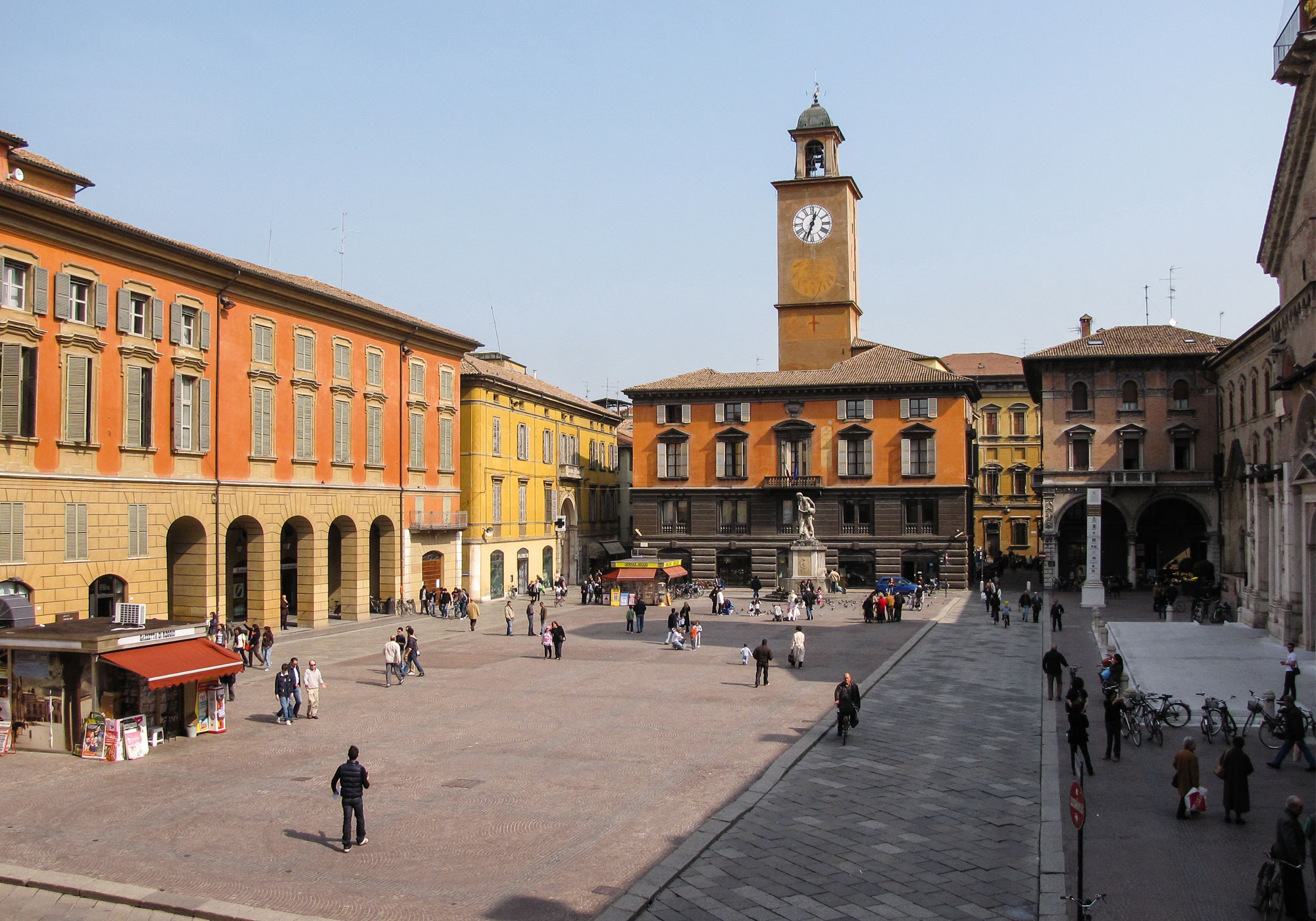
Leaving the contemporary city behind, immerse yourself in the walkable historic centre. Your journey begins in Piazza Prampolini, the heart of local life, flanked by the Town Hall and the Santa Maria Assunta Cathedral.
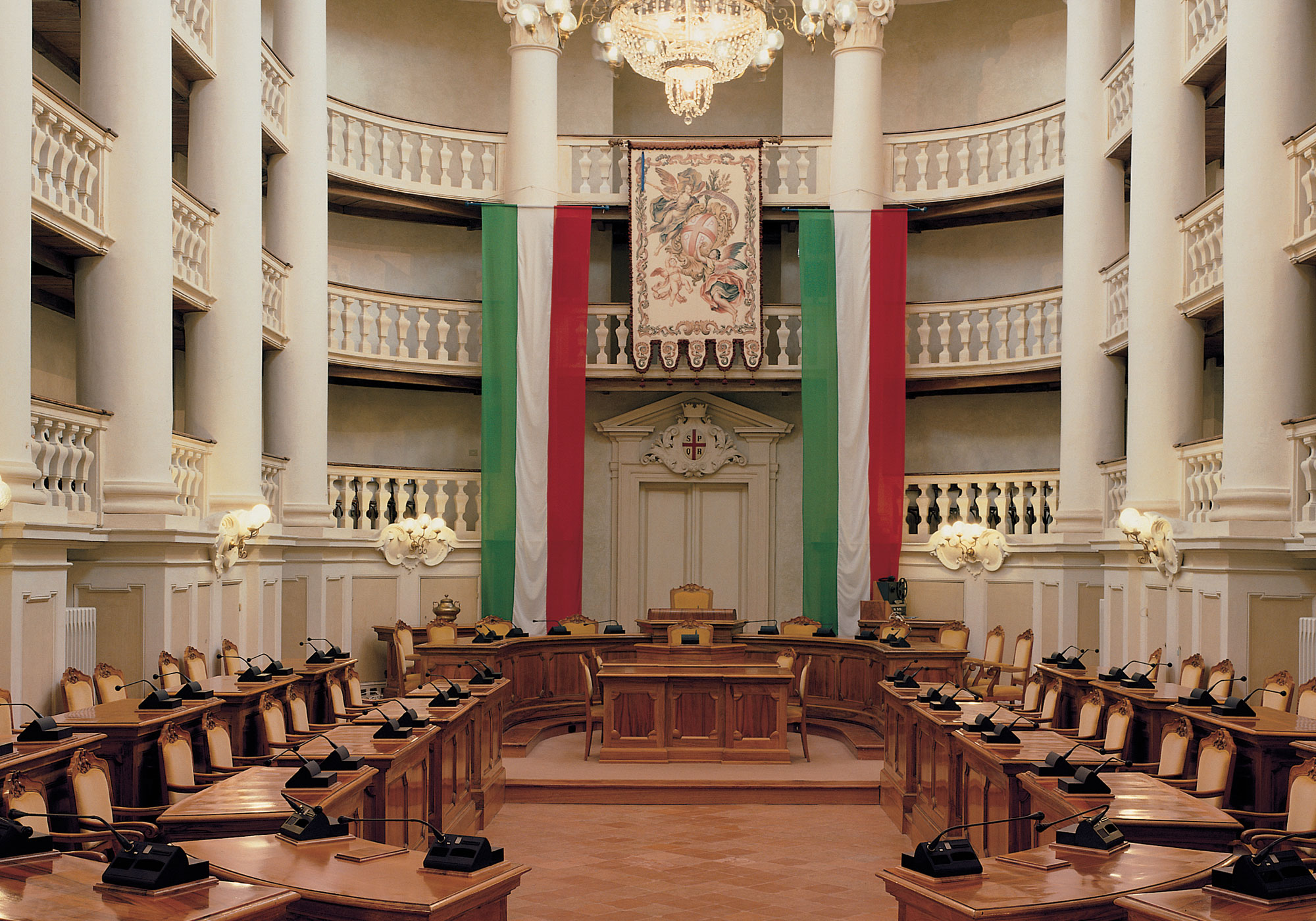
Here you will also find the Sala del Tricolore (Hall of the Tricolour Flag), where the Italian national flag was officially born on 7th January 1797.
Right next door, the Museo del Tricolore (Tricolour Flag Museum) - which is free to enter - retraces this vital chapter of national history through historical documents, artworks, and interactive multimedia displays.
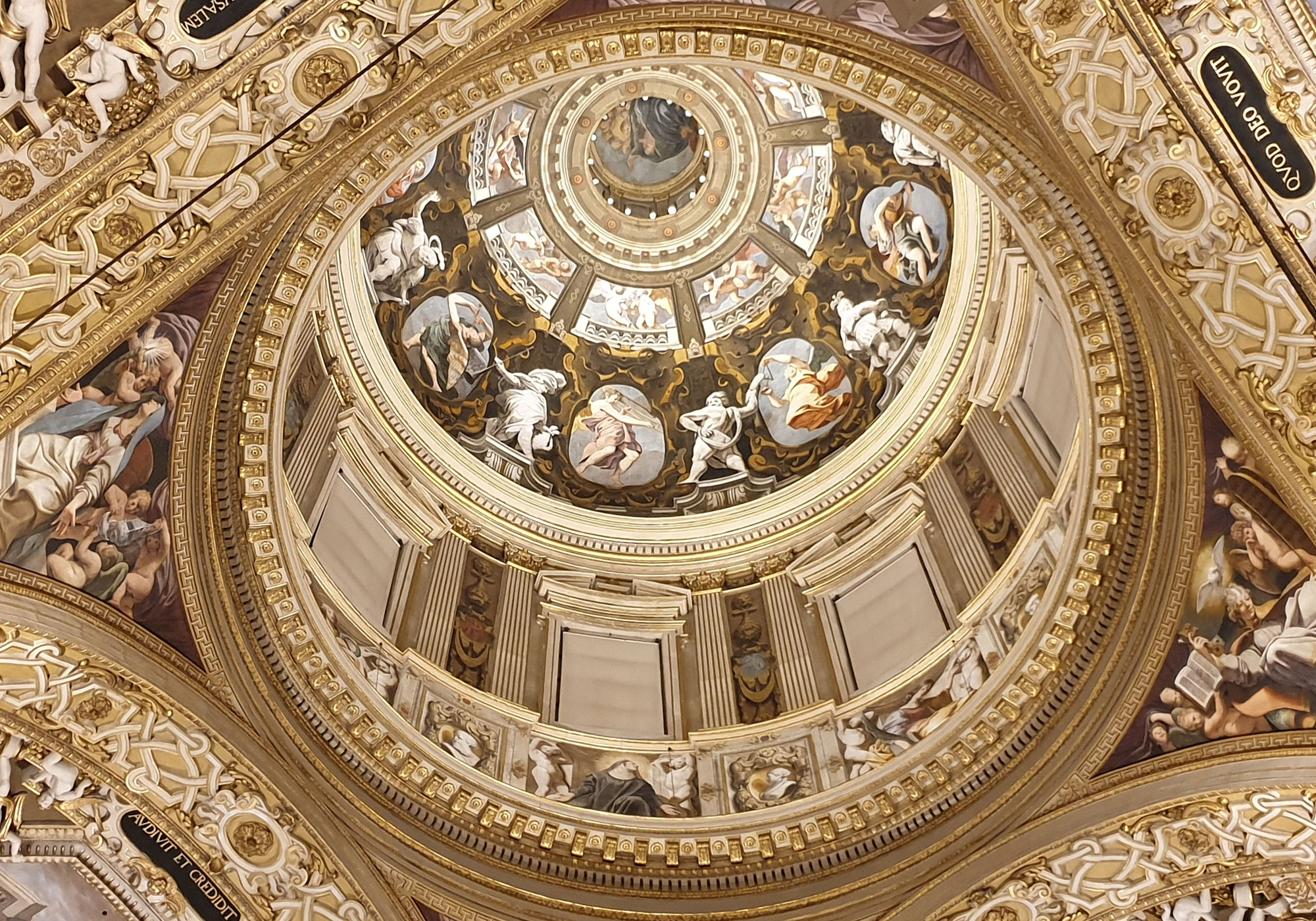
Continuing through the streets of the town centre, you will reach the Beata Vergine della Ghiara Basilica (Basilica of the Virgin Mary of Ghiara), one of the finest examples of Emilian Baroque architecture.
Its interior, adorned with frescoes by Guercino, Ludovico Carracci, and Lionello Spada, is one of the city's most precious artistic treasures.
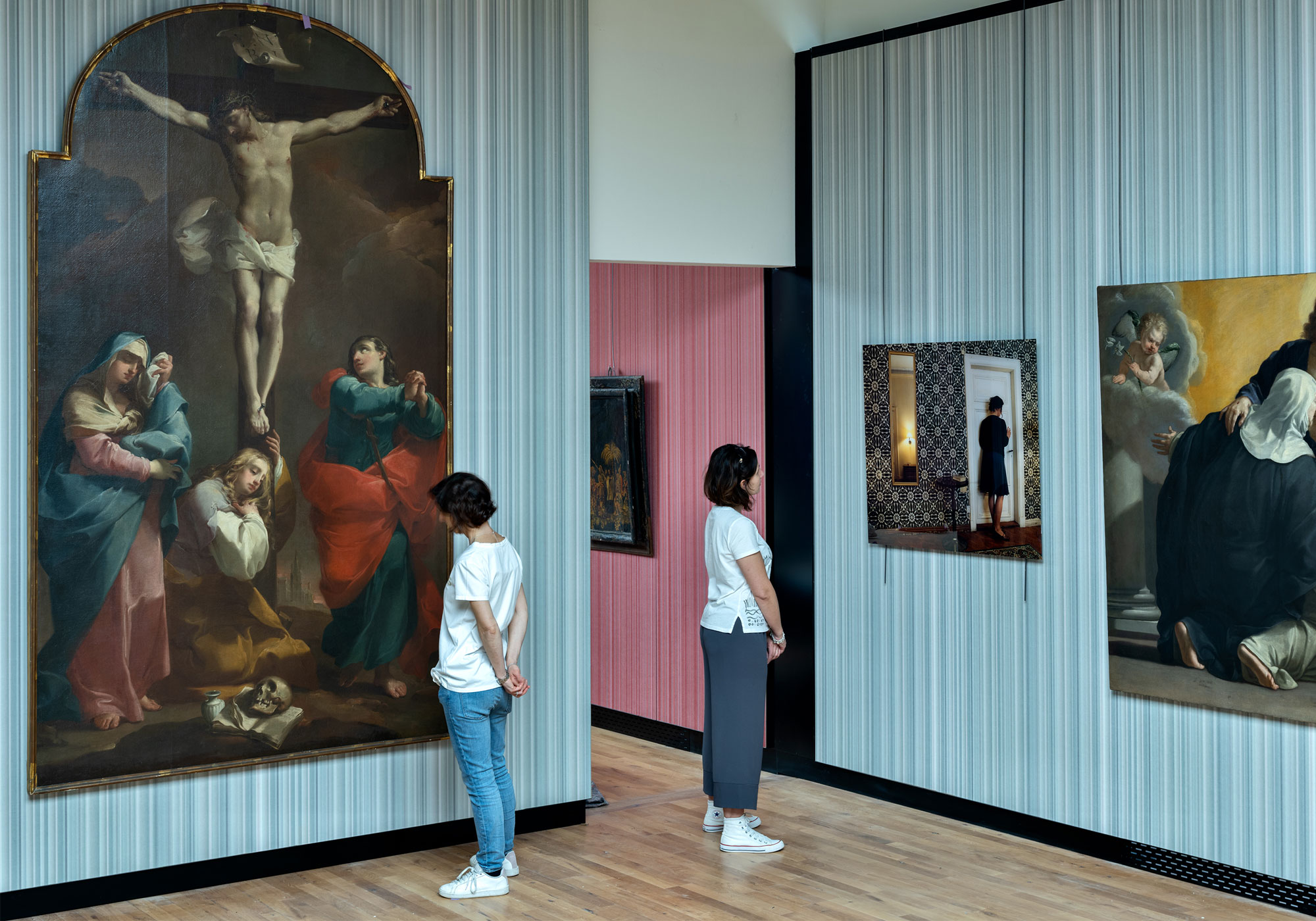
For those wishing to delve deeper into the region’s history and identity, the Palazzo dei Musei is an essential stop.
Recently renovated to a design by architect Italo Rota, the museum complex showcases a collection that weaves together archaeology, local history, and contemporary photography, offering a fresh perspective on the culture of Reggio Emilia.
For lunchtime, let yourself be guided by the aromas wafting from the delicatessens and restaurants in the town centre, where regional specialities take centre stage for an authentic, convivial dining experience.
The afternoon can take two different directions, each revealing a unique side of the city.
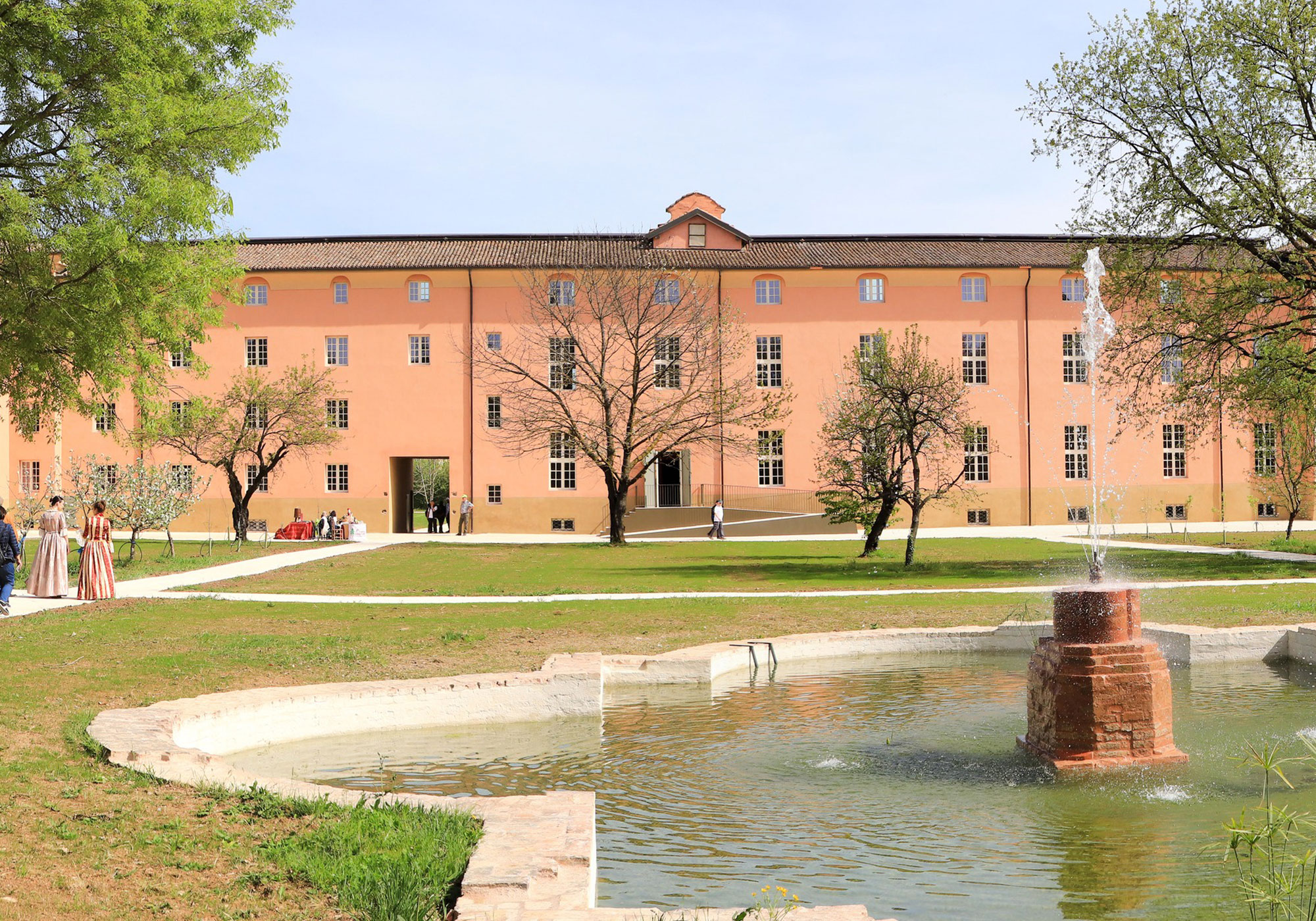
If you love open spaces, head to the Reggia di Rivalta Park, easily accessible on foot, by bicycle, or by public transport.
Stroll through gardens restored to their 18th-century splendour, or check the event calendar to take part in guided tours of the ducal palace or the secret garden, alongside cultural events and outdoor activities.
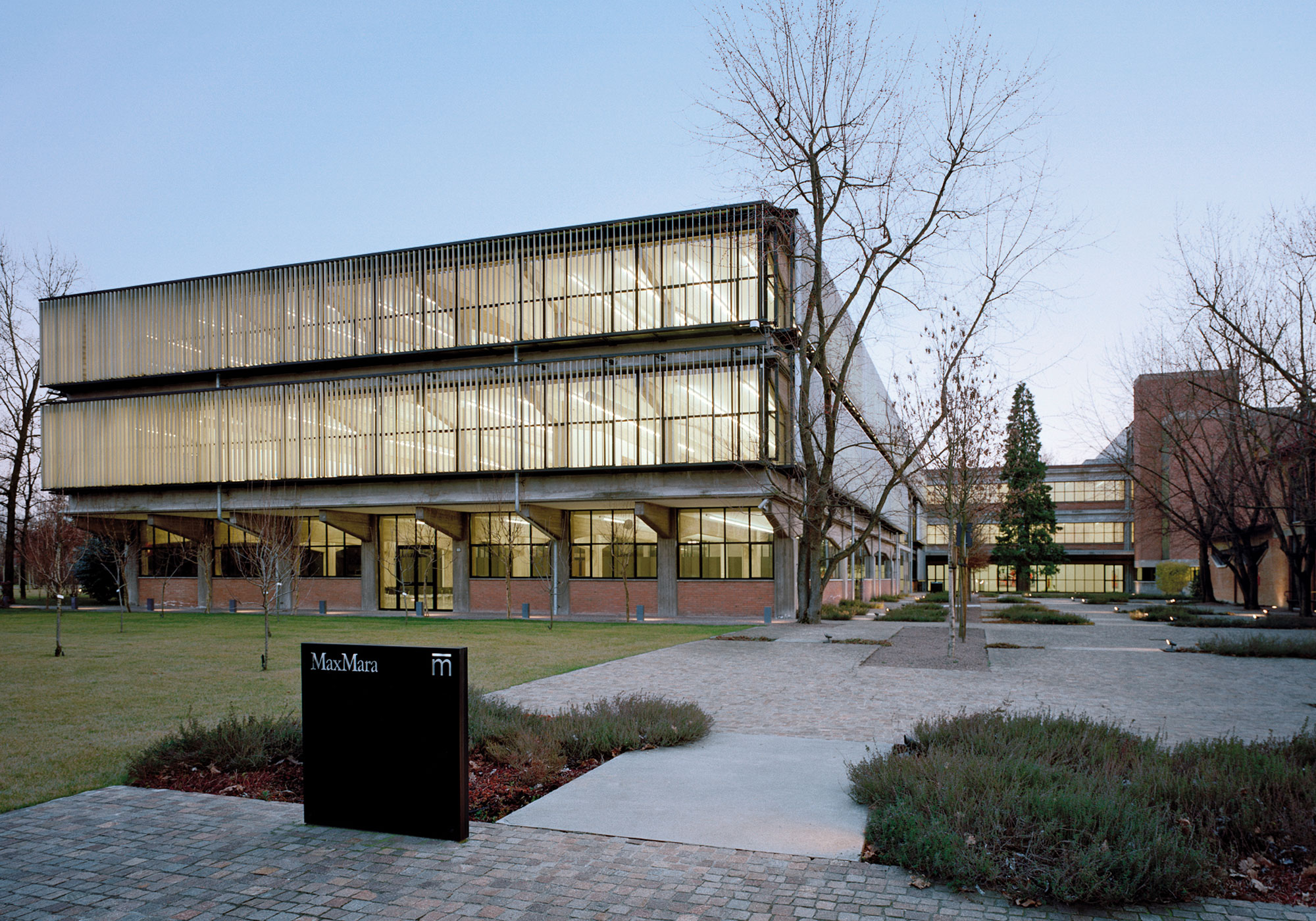
If, on the other hand, you prefer contemporary art, set aside a few hours for the Collezione Maramotti, housed in the former headquarters of Max Mara.
Free to visit upon reservation, it features over two hundred works by Italian and international artists created from the post-war period to the present day, and is considered one of Italy’s most important private exhibition spaces.
As evening falls, return to the historic centre to experience one of the locals' most cherished rituals: the aperitivo.
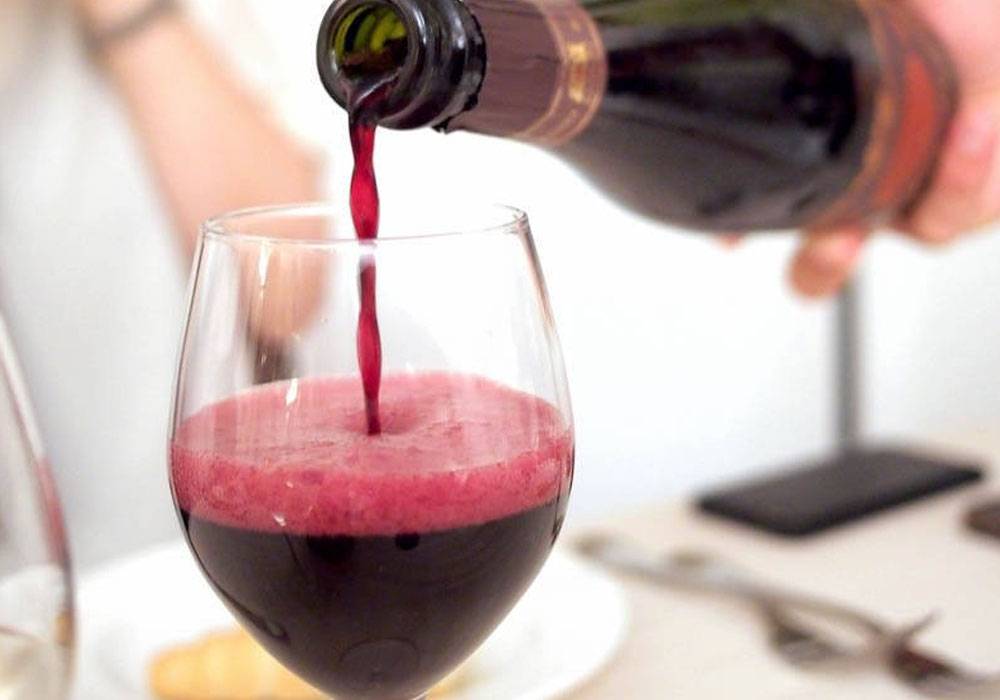
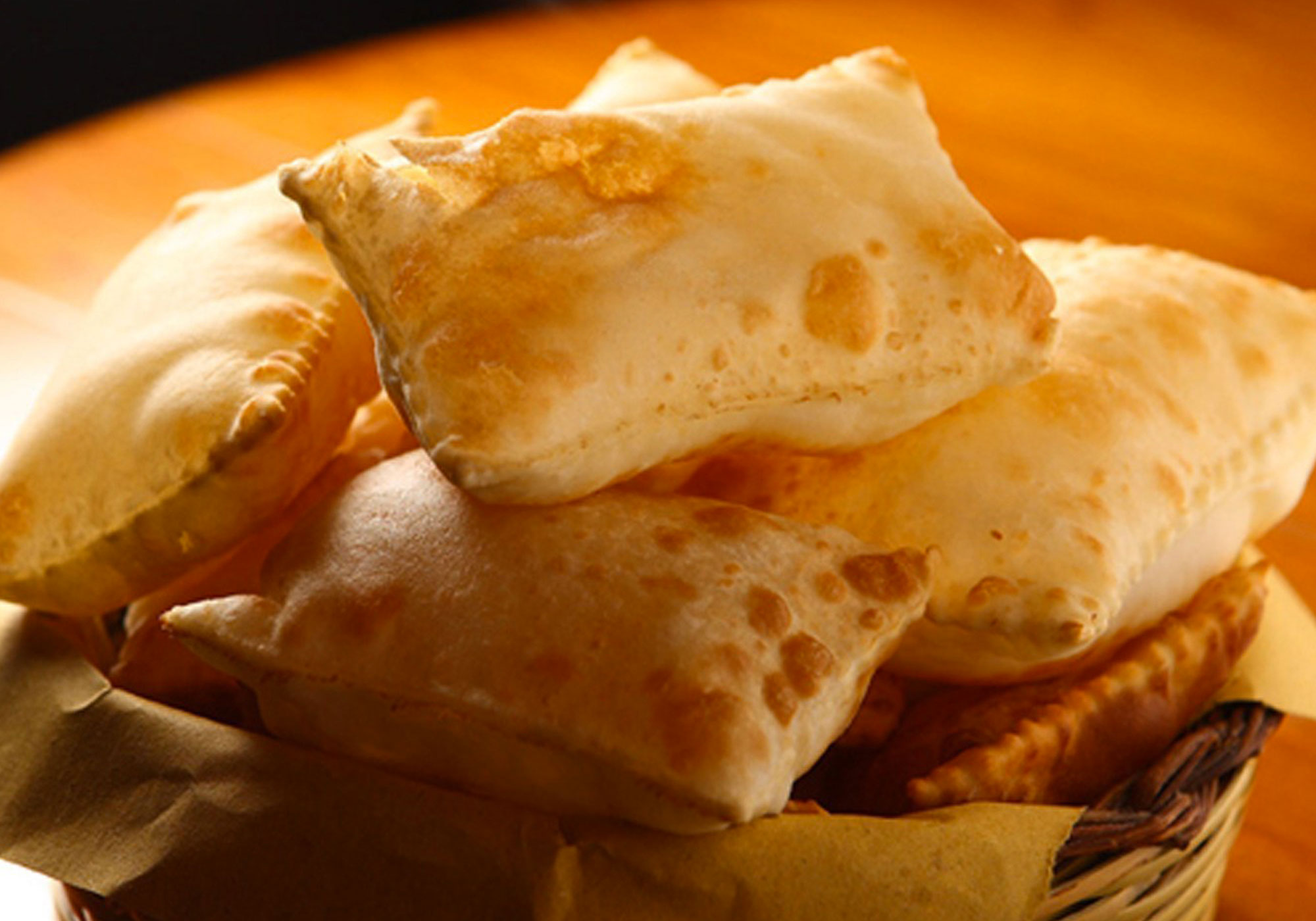
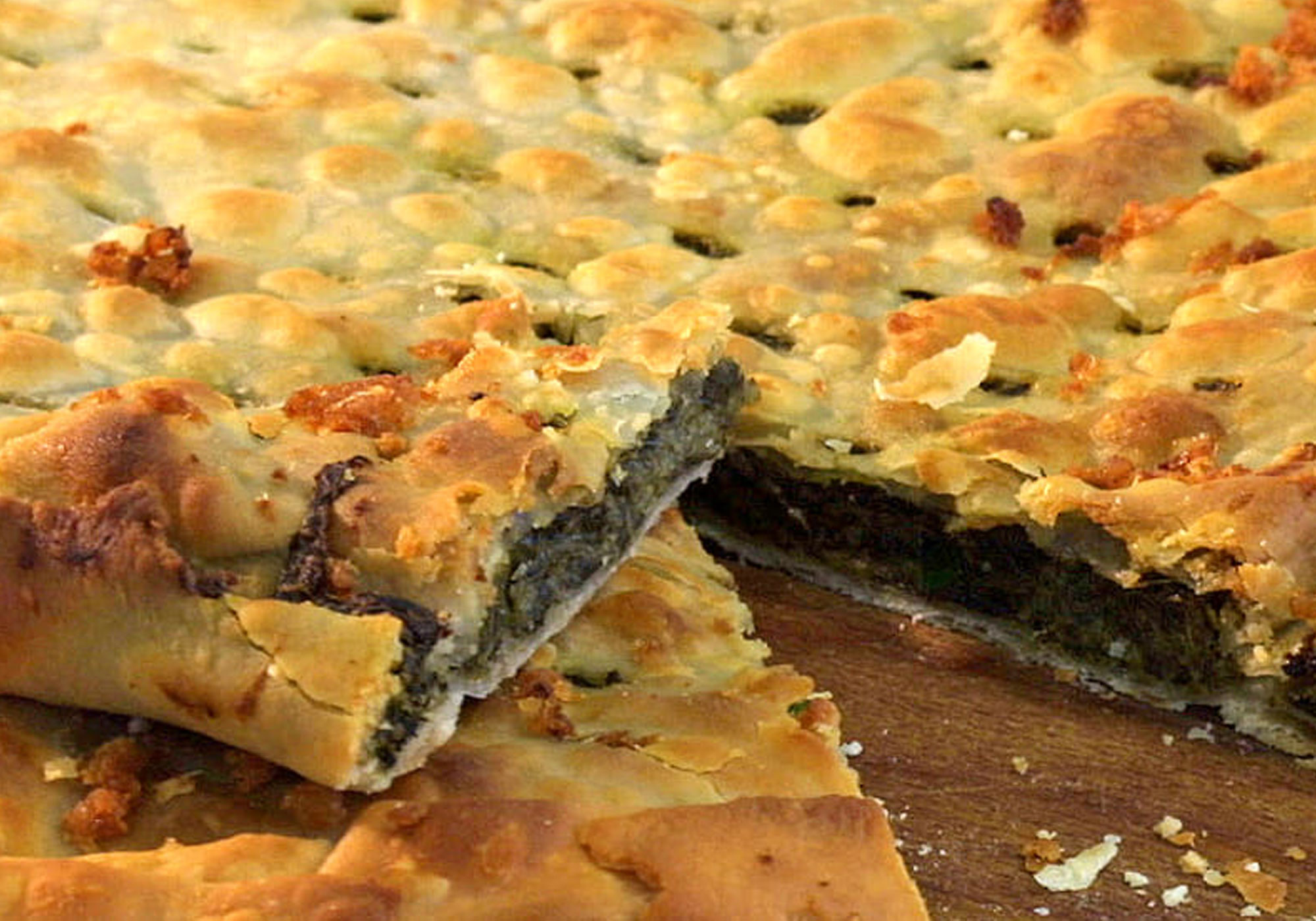
A glass of Lambrusco DOC or Spergola from the Colli di Scandiano e Canossa DOC hills, accompanied by erbazzone reggiano PGI and baked gnocco, is the best way to start the evening.
Dinner is a journey through the great flavours of Emilia’s tradition.
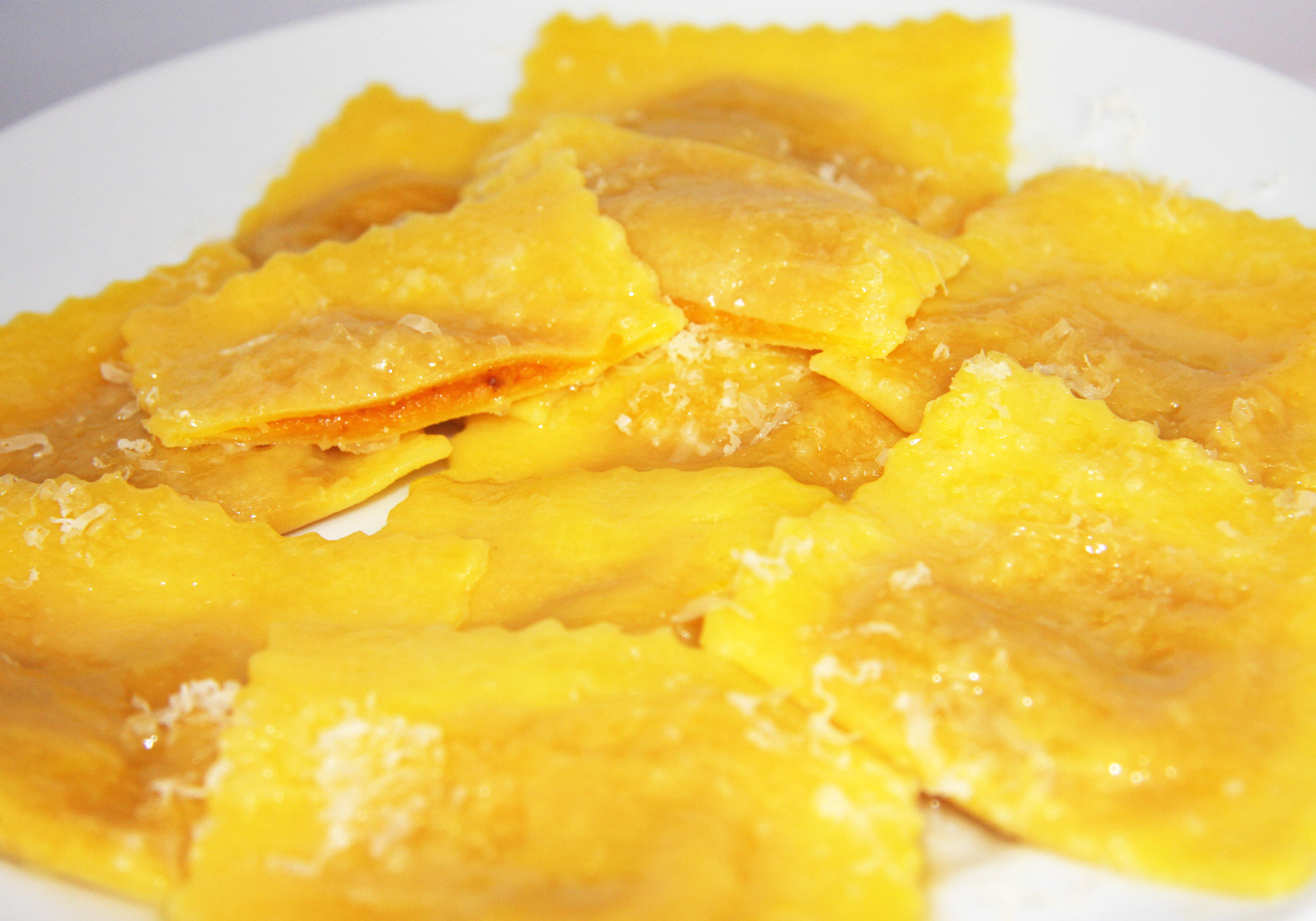
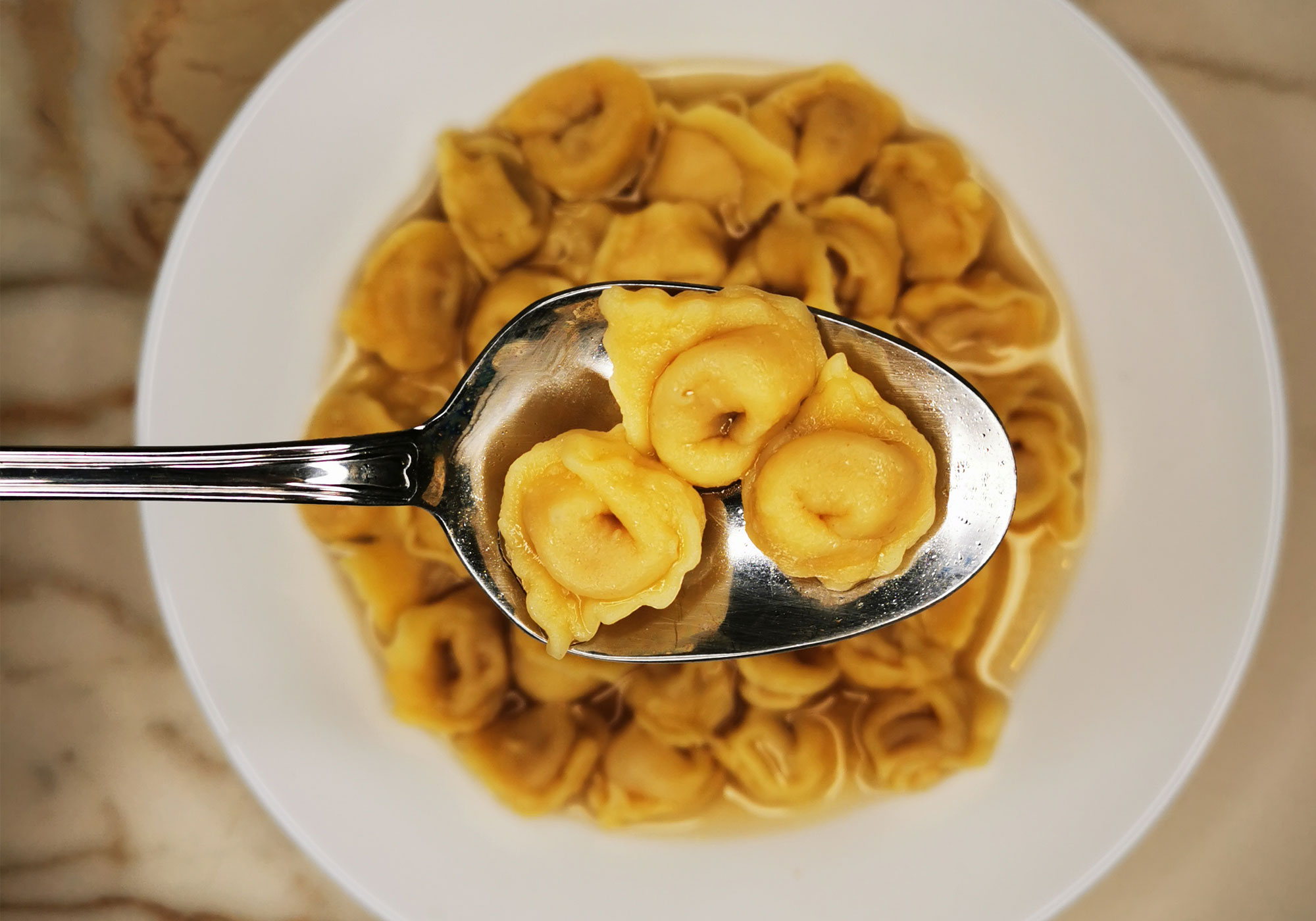
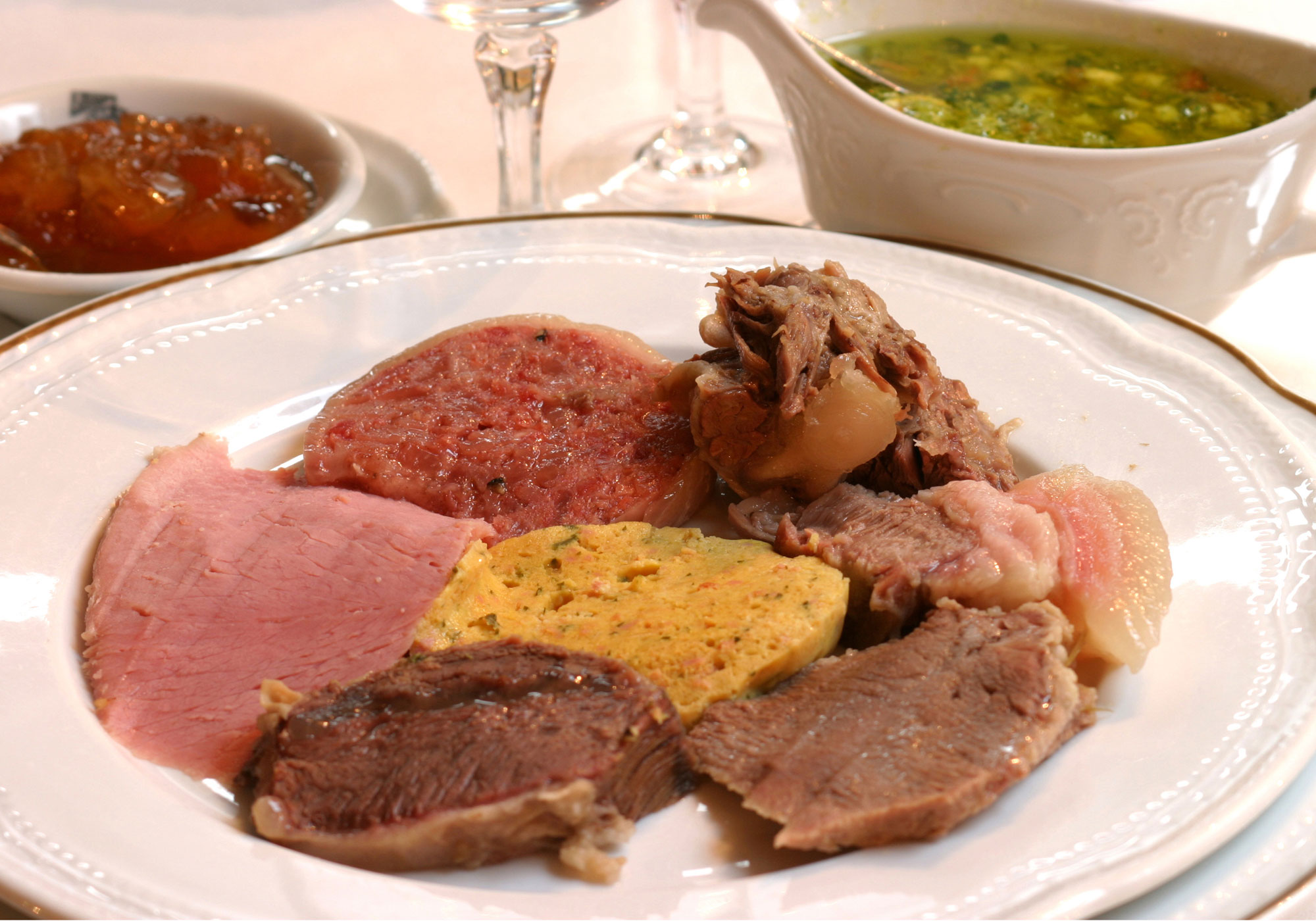
From green or pumpkin tortelli to cappelletti in broth or in a creamy Parmigiano Reggiano PDO sauce, all the way to traditional main courses such as bollito misto (mixed boiled meats), coniglio alla reggiana (braised rabbit), or gnocco fritto with local cured meats.
To finish on a sweet note, do not miss out on torta di riso (rice cake) or zuppa inglese.
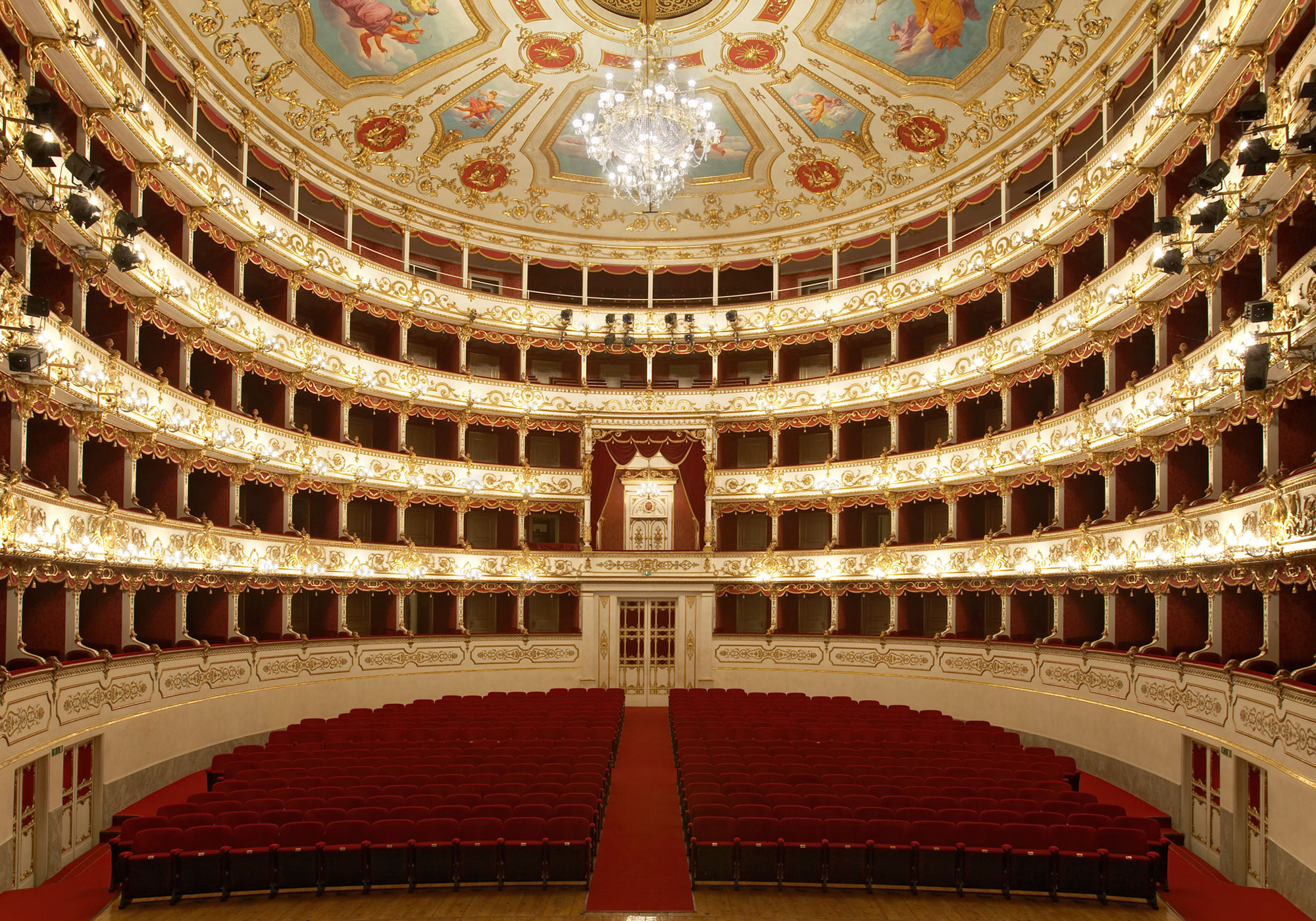
If you love live performances, spend the evening at the Romolo Valli Municipal Theatre, an elegant 19th-century theatre that hosted Luciano Pavarotti’s debut and is now one of Italy’s most prestigious Italian-style opera houses.
During the summer season, let yourself be enchanted by the atmosphere of the San Pietro Cloister, a former Benedictine monastery transformed into one of the city’s premier venues for exhibitions, events, and performances.
Day 2
LOCAL FLAVOURS AND THE MATILDIC LANDS
The second day is dedicated to the Reggio countryside and its finest food and wine.
And what better way to start than with a true local breakfast?
A slice of erbazzone reggiano PGI - yes, locals really would eat it at any time of day - paired with a coffee or a cappuccino, is the perfect introduction to the region's food culture.
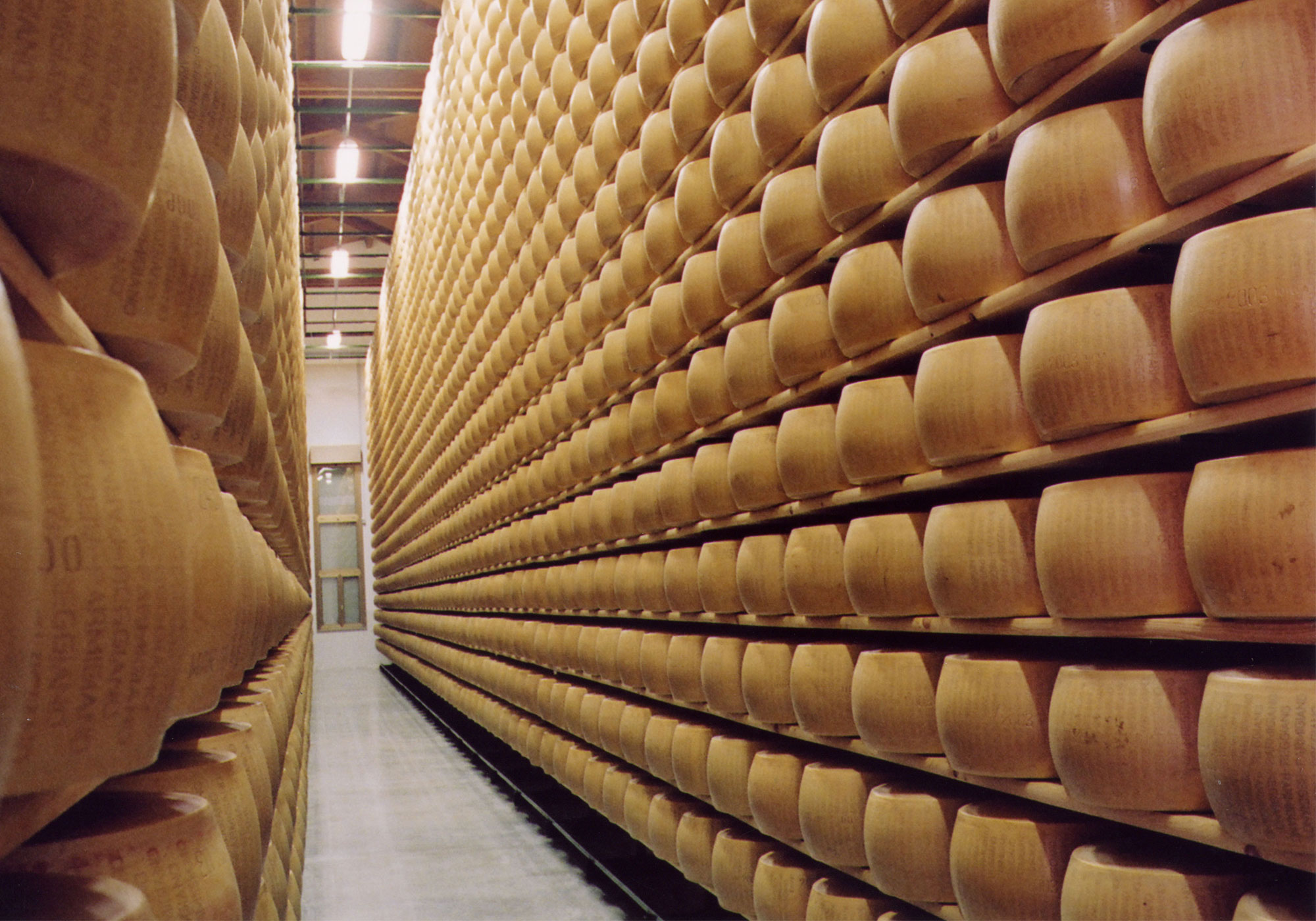
The morning continues with a discovery of the local cheese deiries that have made Reggio Emilia famous across the globe.
The first stop is a Parmigiano Reggiano DOP cheese dairy, where you will witness the cheesemaking process and unlock its secrets through a guided tasting of various maturations.
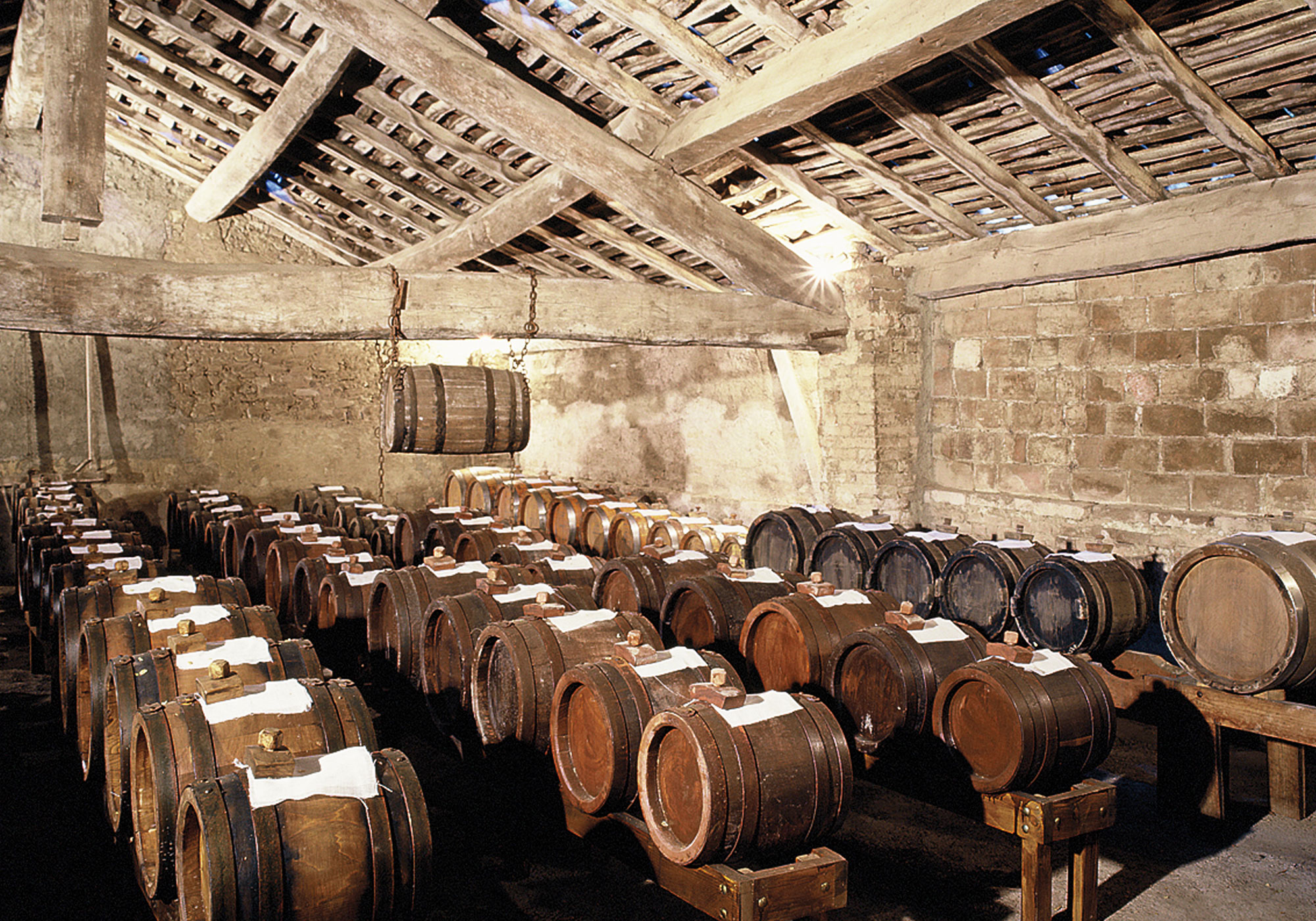
A short distance away, a traditional vinegar cellar awaits, where time is the true star ingredient.
Surrounded by wooden barrels of different species and long years of ageing, you will learn about the history and production process of Aceto Balsamico Tradizionale di Reggio Emilia PDO, one of the most precious gems of Emilian gastronomy.
For lunch, choose a countryside farmhouse restaurant or a traditional trattoria: it will be the perfect opportunity to savour authentic cuisine made from outstanding raw ingredients and recipes handed down through generations.
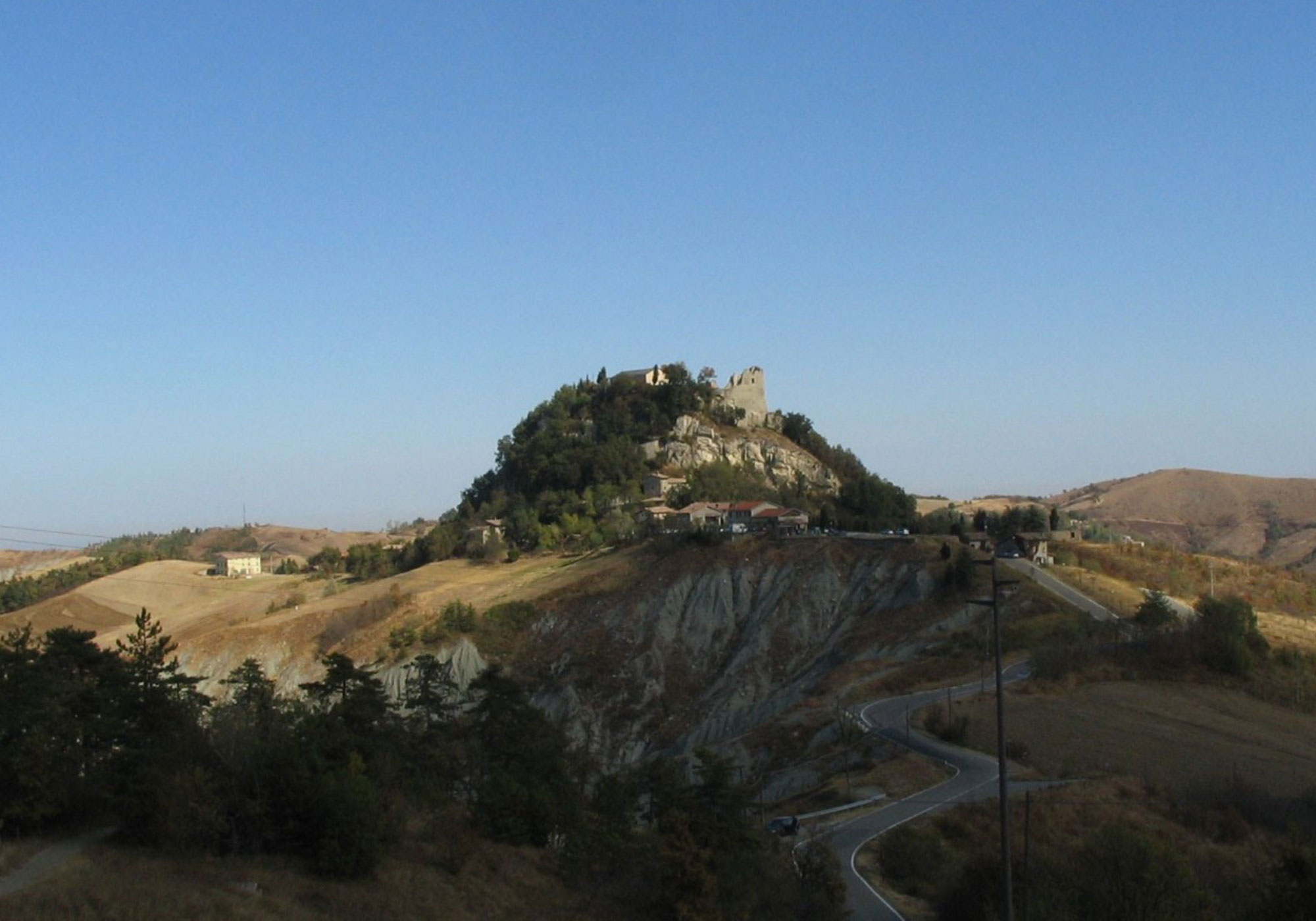
In the afternoon, the journey continues through the rolling hills of the Matildic Lands, following in the footsteps of Matilda of Canossa, one of the most influential figures of medieval Europe.
Even today, the Canossa Castle dominates the landscape and preserves the memory of the historic 1077 meeting between Emperor Henry IV and Pope Gregory VII, which went down in history as the "Humiliation of Canossa" (or "Pardon of Canossa").
The visit also includes the Naborre Campanini National Museum, which tells the story of the Great Countess through archaeological artefacts, historical documents, and relics from the Matildic era.
Before heading back, treat yourself to one last stop.
A stroll along the scenic trails, an aperitivo with a view over the badlands (calanchi), or simply a few moments to admire the landscape will be the perfect way to bid farewell to a region that, within just a few miles, manages to combine great history, rich culture, stunning nature, and one of Italy’s most extraordinary culinary traditions.
Mappa
There are no points to show on the map


