
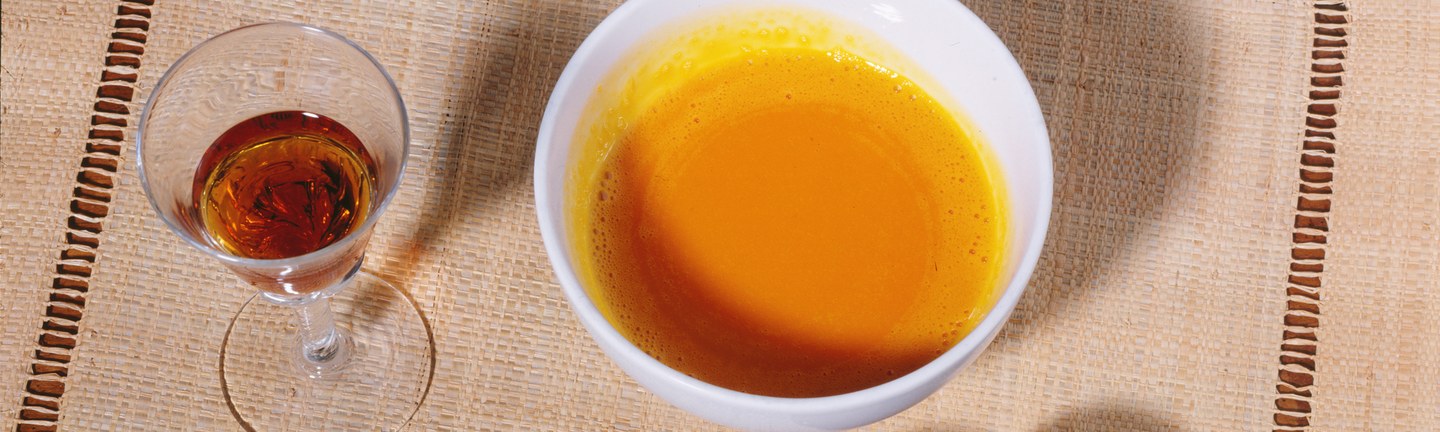
Zabaglione
A dessert steeped in history
Soft, creamy and irresistibly delicious, zabaglione is one of the most famous desserts in the Italian tradition.
Few people know, however, that according to one of the most fascinating legends associated with Emilian cuisine, its origins can be traced back to Scandiano itself, in the heart of the Terre Matildiche.
The legend of Giovanni di Buglione
The story takes us back to 1560, when troops led by the commander Giovanni di Buglione set up camp near Scandiano.
The soldiers were exhausted, and their commander ordered them to find food in the surrounding countryside.
Times were hard and resources were scarce.
After a long search, the men managed to gather only a few ingredients: eggs, flour and white wine.
To feed the troops, Giovanni di Buglione had everything gathered into a large cauldron and put it to cook over the fire.
The result was a hot, nourishing and surprisingly tasty dish, capable of restoring the soldiers’ energy and good spirits.
Thus was born what came to be known as ‘Giovanni’s broth’.
In the days that followed, the soldiers returned to the countryside, once again asking for the ingredients needed to prepare the famous ‘buillon de Jan’, or Giovanni’s broth.
Over time, the name changed several times, first becoming ‘Janbujon’ and then ‘Zabaglione’, until it reached the name we know today.
La ricetta tradizionale prevede tuorli d'uovo, zucchero e vino liquoroso. Se in passato si utilizzava il vino bianco dolce prodotto nelle campagne locali, oggi il Marsala è l'ingrediente più diffuso grazie alla sua aromaticità e alla capacità di conferire alla crema il caratteristico profumo intenso.
La preparazione richiede attenzione e pazienza. I tuorli vengono montati con lo zucchero e il vino a bagnomaria, mescolando continuamente fino a ottenere una crema gonfia, leggera e spumosa.
Il segreto è evitare che il composto raggiunga il bollore, mantenendo una temperatura costante che permetta di incorporare aria e sviluppare la tipica consistenza soffice che rende unico questo dessert.
Secondo la tradizione locale, alcuni aggiungono biscotti sbriciolati o amaretti, richiamando gli antichi “bujon”, nei quali il pane raffermo rappresentava uno degli ingredienti fondamentali.
Food pairings
Served warm, straight after preparation, Zabaglione is a real treat for the palate. It can be enjoyed on its own, accompanied by biscuits, or used as a cream to enrich a wide variety of desserts.
In the Reggio Emilia tradition, it is often served with festive cakes, such as pandoro, or enhanced with a few drops of Traditional Balsamic Vinegar of Reggio Emilia.
A surprising pairing that combines the cream’s sweetness with the aromatic and complex notes of Emilia’s ‘black gold’.
It is also particularly well-suited to local wines, such as Bianco Colli di Scandiano and Canossa DOC.


About us
Where to find us
Opening hours
Press and TV enquiries
Leave us your feedback
