Reggio Emilia Approach®
The Reggio Emilia Approach® is an innovative educational project that originated in Reggio Emilia and is now recognised and valued throughout the world.
At the heart of this philosophy lies the idea of a child who is competent, curious and in charge of their own development, capable of expressing themselves through the "hundred languages" that every human being possesses.
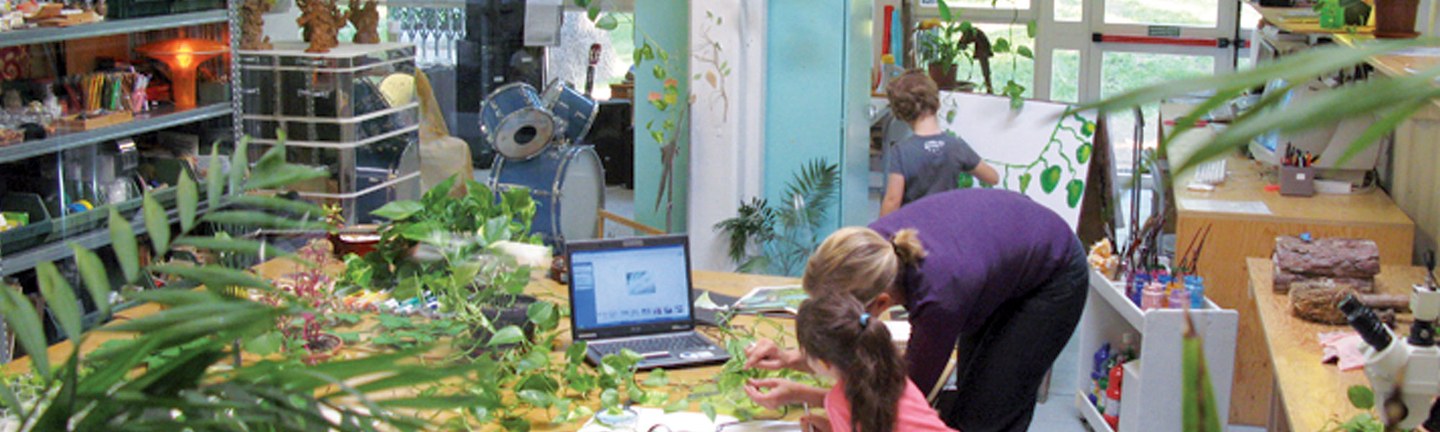
Developed and refined over time within Reggio Emilia’s municipal nurseries and pre-schools, this educational approach is based on collaboration between educators, teachers and families, on the importance of relationships, on fostering creativity, and on the role of spaces as tools for learning.
Key features of the Reggio Emilia Approach® include the ateliers dedicated to experimentation and research, the documentation of educational processes, the role of pedagogical coordination, and the active participation of families in school life.
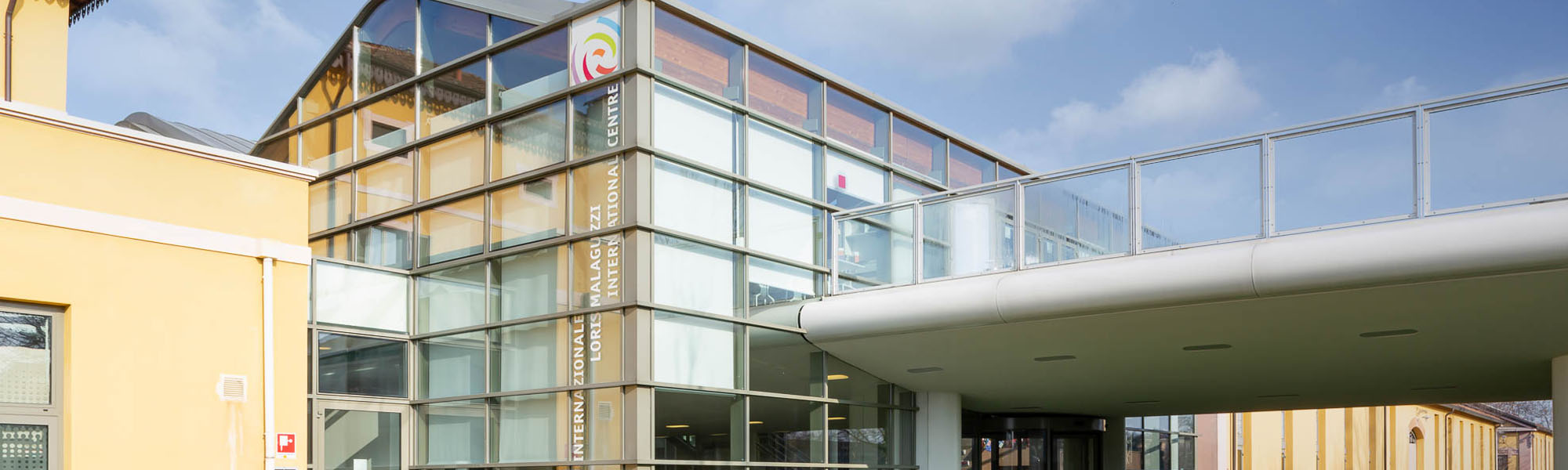
The roots of this experience lie deep in the city’s history, and Loris Malaguzzi is its leading exponent.
As an educator and educational theorist, Malaguzzi helped establish the network of municipal schools and nurseries that has made Reggio Emilia an international benchmark in the field of education.
Today, the Reggio Emilia Approach® engages with over 145 countries and territories around the world, spreading a vision of childhood based on listening, participation and the value of every child’s potential.
A symbolic expression of this philosophy is the poem "Invece il cento c’è", in which Loris Malaguzzi celebrates children’s hundred languages and their extraordinary way of understanding, imagining and interpreting the world.
NO WAY. THE HUNDRED IS THERE
The child
is made of one hundred.
The child has
a hundred languages
a hundred hands
a hundred thoughts
a hundred ways of thinking
of playing, of speaking.
A hundred always a hundred
ways of listening
of marveling of loving
a hundred joys
for singing and understanding
a hundred worlds
to discover
a hundred worlds
to invent
a hundred worlds
to dream.
The child has
a hundred languages
(and a hundred hundred hundred more)
but they steal ninety-nine.
The school and the culture
separate the head from the body.
They tell the child:
to think without hands
to do without head
to listen and not to speak
to understand without joy
to love and to marvel
only at Easter and Christmas.
They tell the child:
to discover the world already there
and of the hundred
they steal ninety-nine.
They tell the child:
that work and play
reality and fantasy
science and imagination
sky and earth
reason and dream
are things
that do not belong together.
And thus they tell the child
that the hundred is not there.
The child says:
No way. The hundred is there.
Loris Malaguzzi
(translated by Lella Gandini)
You might also be interested in