
Tortelli verdi
A Heritage of Recipes Passed Down Through Time
As with many traditional dishes, there is no single recipe for green tortelli.
Each family preserves its own version, passed down through generations and enriched with small personal secrets that make every result unique.
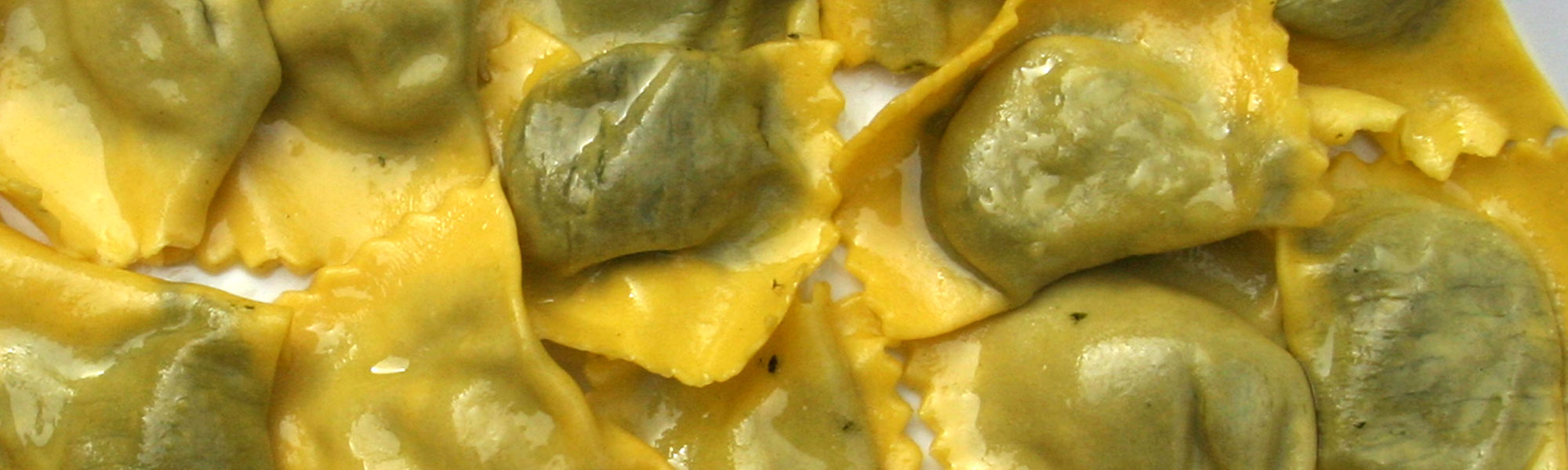
The filling is traditionally based on spinach and Swiss chard, carefully blended with ricotta and Parmigiano Reggiano. However, depending on family traditions and local variations, other seasonal greens and vegetables may also be used, such as savoy cabbage, chicory, radicchio, or even wild nettles.
This diversity reflects the strong connection between the dish and Emilia’s rural culture, which has always focused on making the most of what the land offers in every season.
The “Fuieda” — The Pasta Sheet
The heart of green tortelli is undoubtedly the filling, but their quality also depends on the excellence of the pasta sheet.
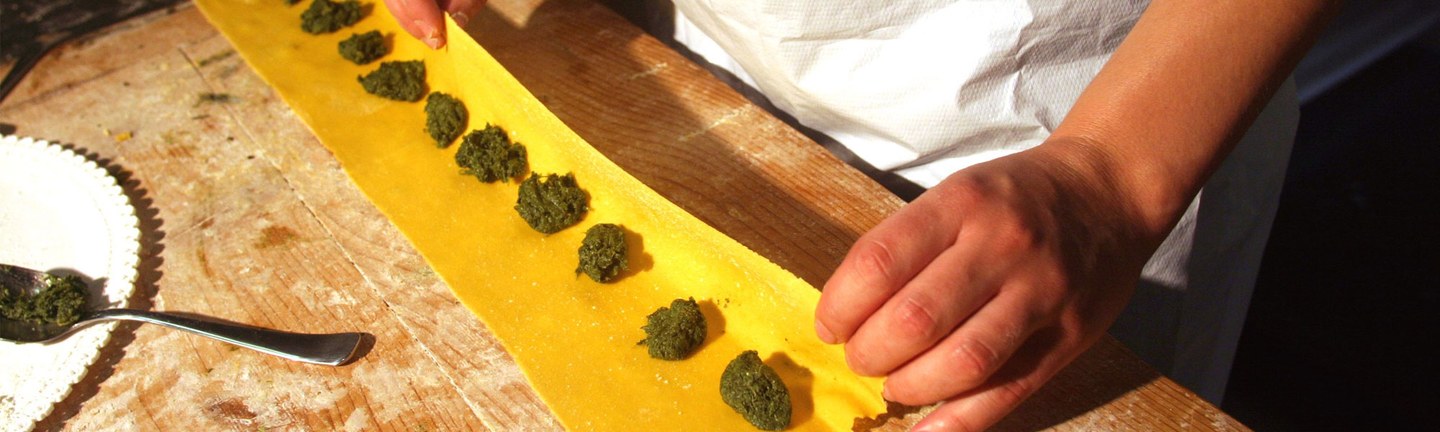
Made with flour and eggs according to Emilian tradition, the dough is rolled out thin and handled with great care to encase the filling in small pasta parcels with a distinctive rectangular shape.
This preparation requires time, skill, and patience: a domestic ritual that for generations has brought entire families together around the kitchen table, turning the making of tortelli into a moment of sharing and the passing down of culinary knowledge.
The Star of the Filling: Parmigiano Reggiano
Among the ingredients that define the Reggio Emilia version of green tortelli, Parmigiano Reggiano plays a fundamental role.
Used generously in the filling and often selected in its longer-aged varieties, it adds savoriness, structure, and aromatic depth to the dish.
The combination of wild greens, ricotta, and Parmigiano Reggiano creates a delicate yet richly flavorful balance, making green tortelli one of the most beloved preparations in the local cuisine.
A Festive Dish
In Reggio Emilia’s culinary tradition, green tortelli hold a special place during the most important times of the year.
Together with pumpkin tortelli, they are the stars of Christmas Eve dinner and of the Feast of Saint John, celebrated on June 24 — two occasions deeply rooted in the region’s popular culture.
Served steaming at the center of the table, they continue to represent a symbol of togetherness and a strong connection to local heritage and traditions.
The Traditional Seasoning
The most classic recipe features a simple yet highly effective dressing that enhances the flavor of the filling: melted butter and a generous sprinkling of grated Parmigiano Reggiano.
This combination highlights the delicacy of the greens without overpowering their taste.
In some families and local restaurants, green tortelli are also served with meat ragù, but the traditional seasoning remains the most essential — true to the roots of Emilian cuisine.
Where to Taste Them
For those visiting Reggio Emilia, green tortelli are an unmissable culinary experience.
Historic trattorie, agriturismi, and local restaurants still prepare them today following recipes passed down through generations, offering the chance to discover one of the most iconic dishes of the local cuisine.
To explore the region’s gastronomic excellence and find places where traditional specialties can be enjoyed, visitors can follow the routes of the Strada dei Vini e dei Sapori delle Corti Reggiane, which winds through countryside landscapes, historic villages, and farms, showcasing the very best of Reggio Emilia’s food and wine culture.
A dish simple in its ingredients yet extraordinary in its ability to tell the story, traditions, and hospitality of a land where great food is a defining part of its identity.
Contenuti correlati


About us
Where to find us
Opening hours
Press and TV enquiries
Leave us your feedback
