Palazzo Salvador Allende
Timetable
The palace, now the seat of the Prefecture, can be visited in the areas open to the public during opening hours.
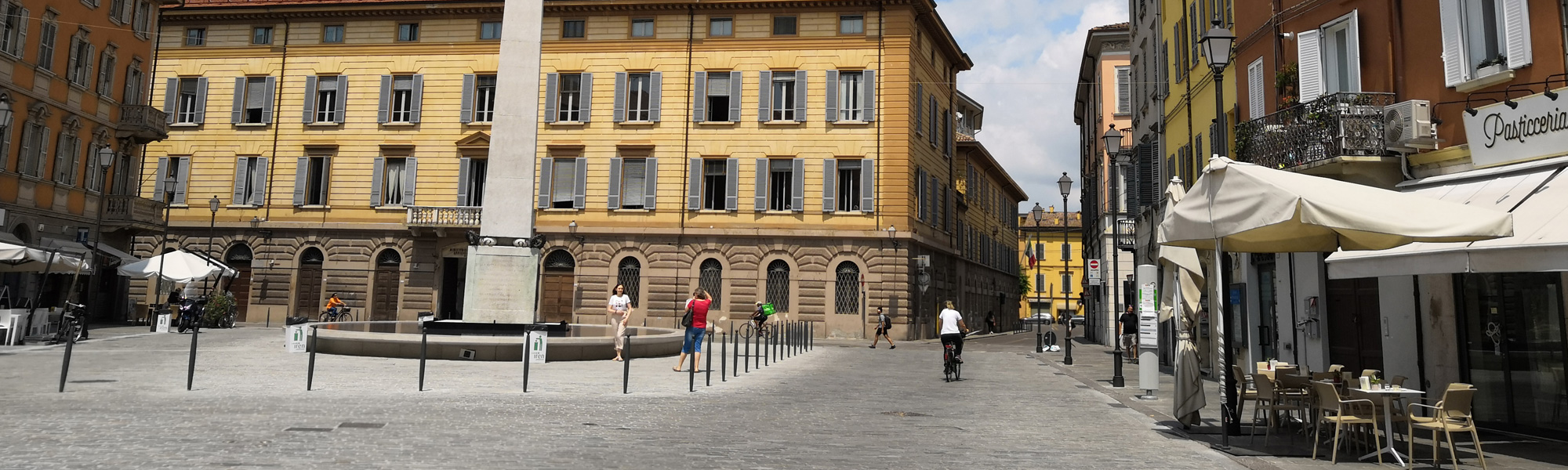
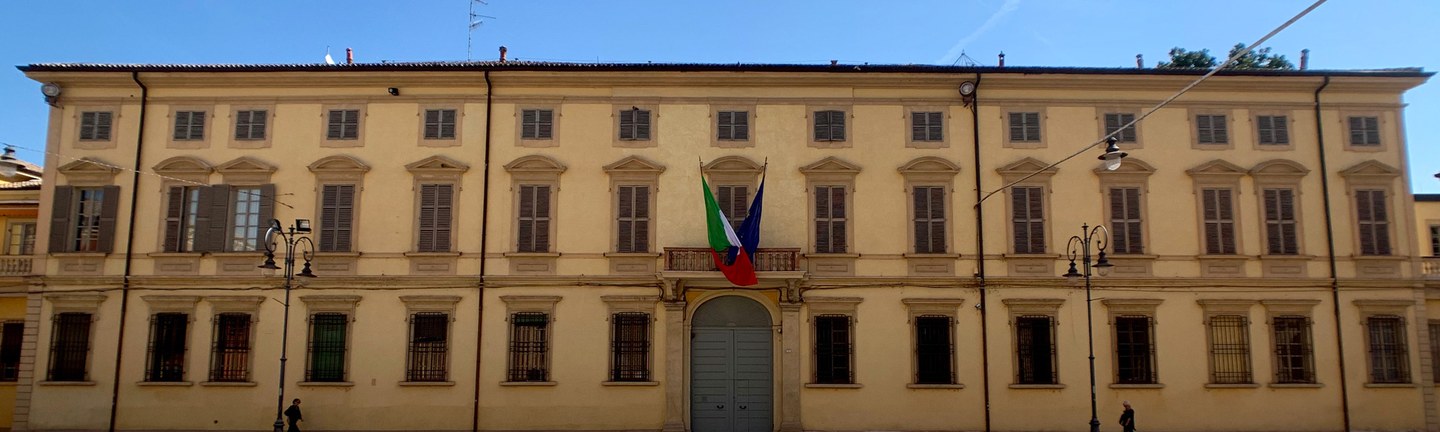
In the historical heart of Reggio Emilia, between Corso della Ghiara and the ancient city streets, stands Palazzo Salvador Allende, formerly known as the Palazzo Ducale (Ducal Palace).
Historical Background
A building that tells over seven centuries of urban history, architectural transformations, and government functions. Until the end of the 18th century, the area was largely occupied by the Monastery of the nuns of San Pietro Martire, founded in 1260, flanked by a fabric of medieval houses.
The turning point came in 1783, when Duke Francesco III d’Este decreed the suppression of the monastery and decided to build, at the Municipality's expense, a Government Palace intended to house the Governor, the Commander of the Arms, and the Town Major.
The project was entrusted to architect Pietro Armani, who designed the new building around the current central courtyard. By 1786, the palace was substantially completed, and the following year it welcomed the Commander of the Arms.
With the Napoleonic era and the birth of the Kingdom of Italy (1802), the building became the residence of the Prefects. With the Restoration, the Municipality offered the palace to the Duke as an official residence during his stays in Reggio, thus creating the Palazzo Ducale.
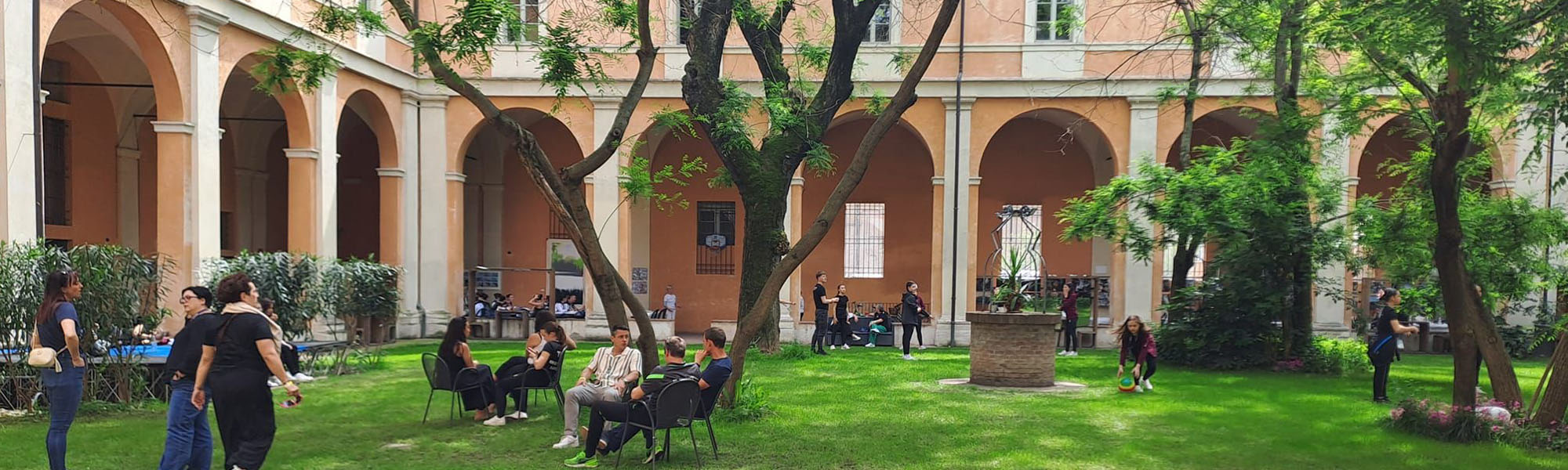
Between 1817 and 1845, under the direction of architects Domenico and Pietro Marchelli, the palace was profoundly renovated: private homes were incorporated, the internal garden was created, the façade was redesigned up to Via San Pietro Martire, and the building was reorganized around three courtyards - a configuration that still characterizes it today.
The opening of Via Santa Liberata also involved the demolition of part of the surrounding medieval fabric, giving the complex its current monumental appearance.
A final significant intervention dates back to 1911, when the oratory of Santa Liberata, founded in 1680 and overlooking Corso Garibaldi, was suppressed.
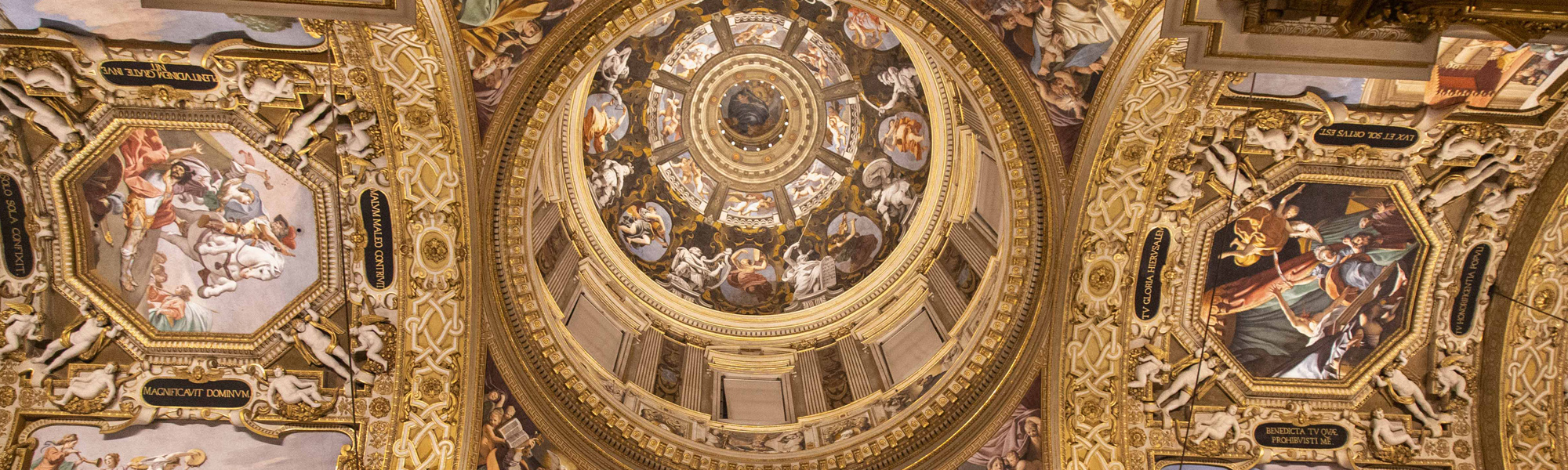
The oratory was incorporated into the palace and transformed into the Duke's private chapel, contributing to the definition of the external and internal façades we see today.