Montericco Castle
Timetable
Private property. Closed to the public.
Fortified elegance blending the Middle Ages and the Renaissance
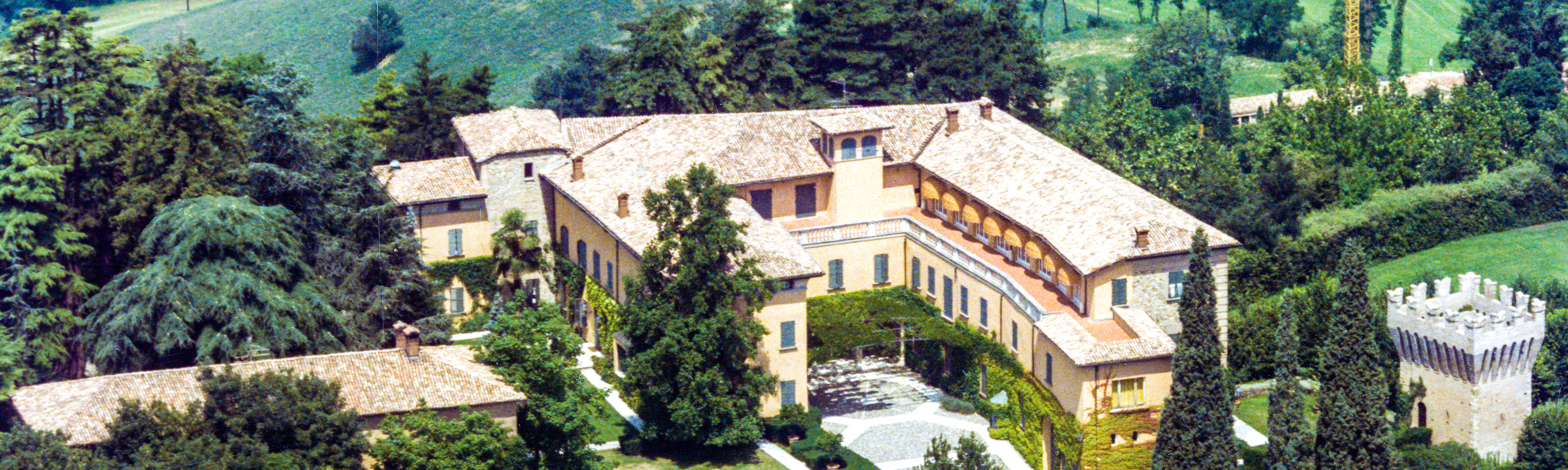
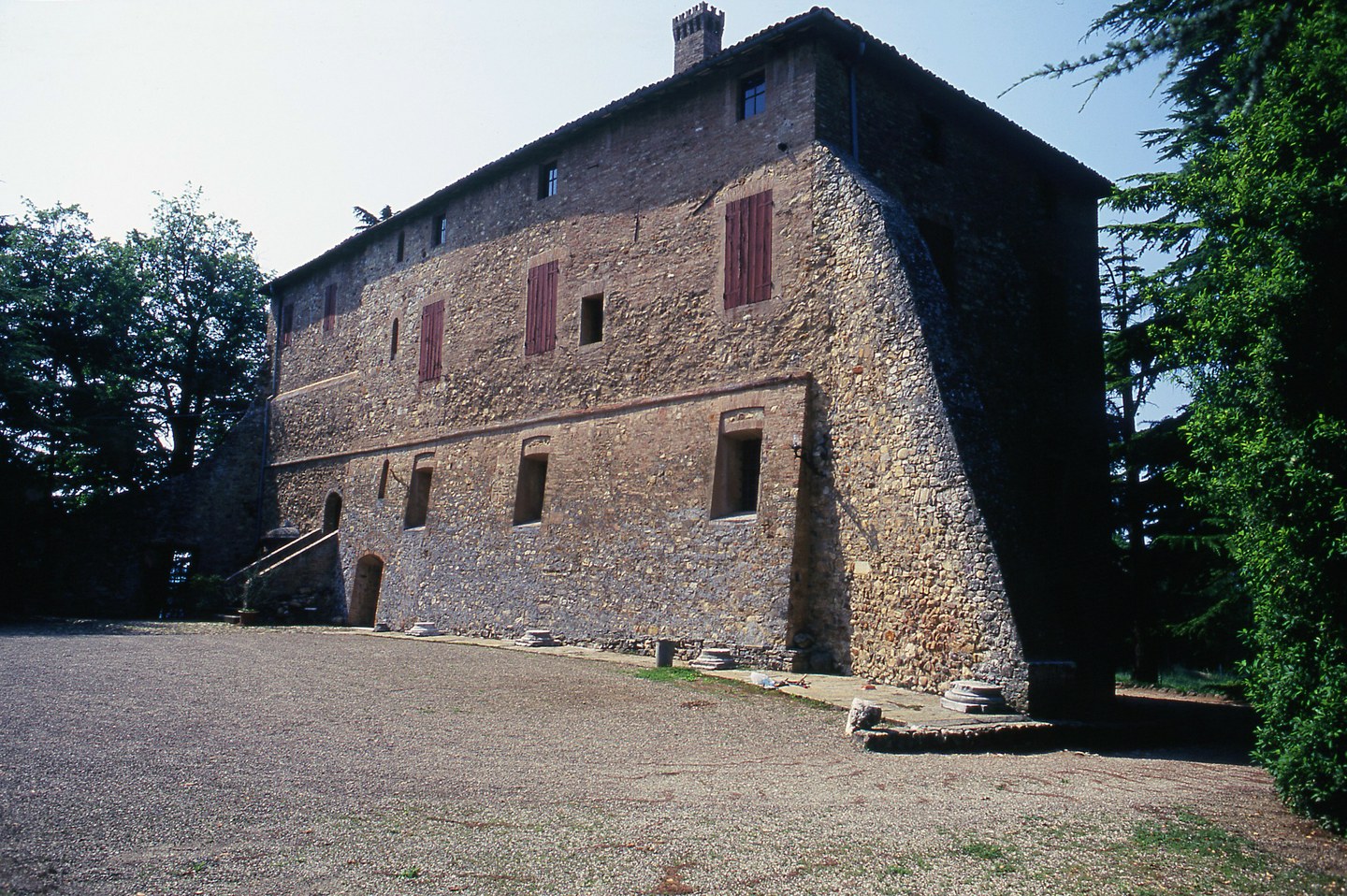
The ancient Montericco Castle presents itself today as an imposing and well-preserved structure, the result of major renovations over time that partially transformed its original appearance.
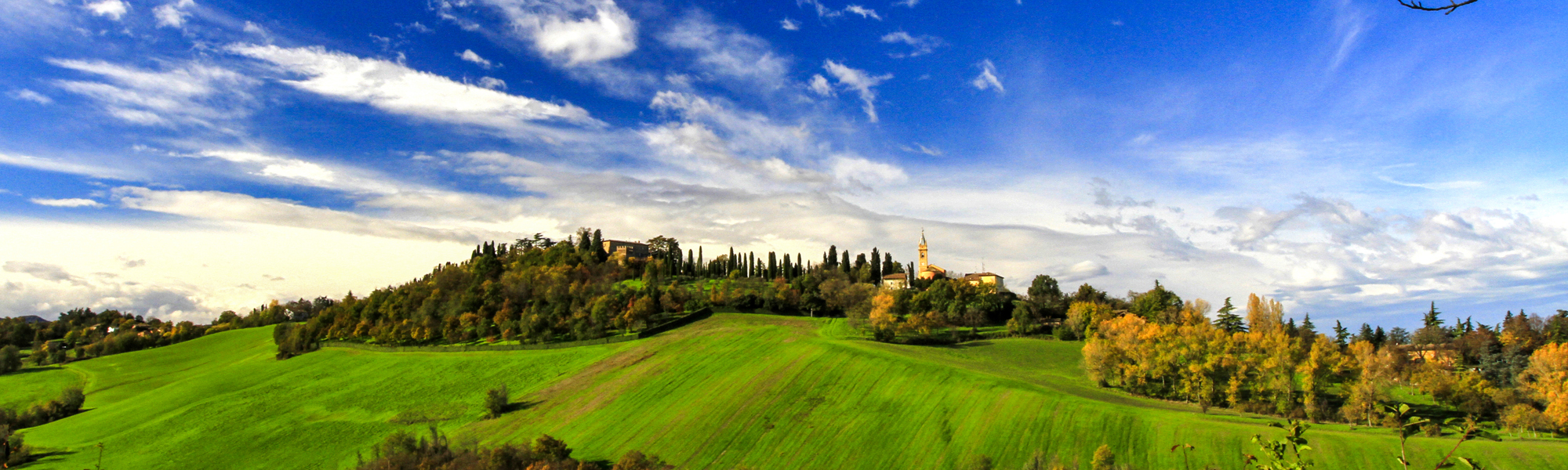
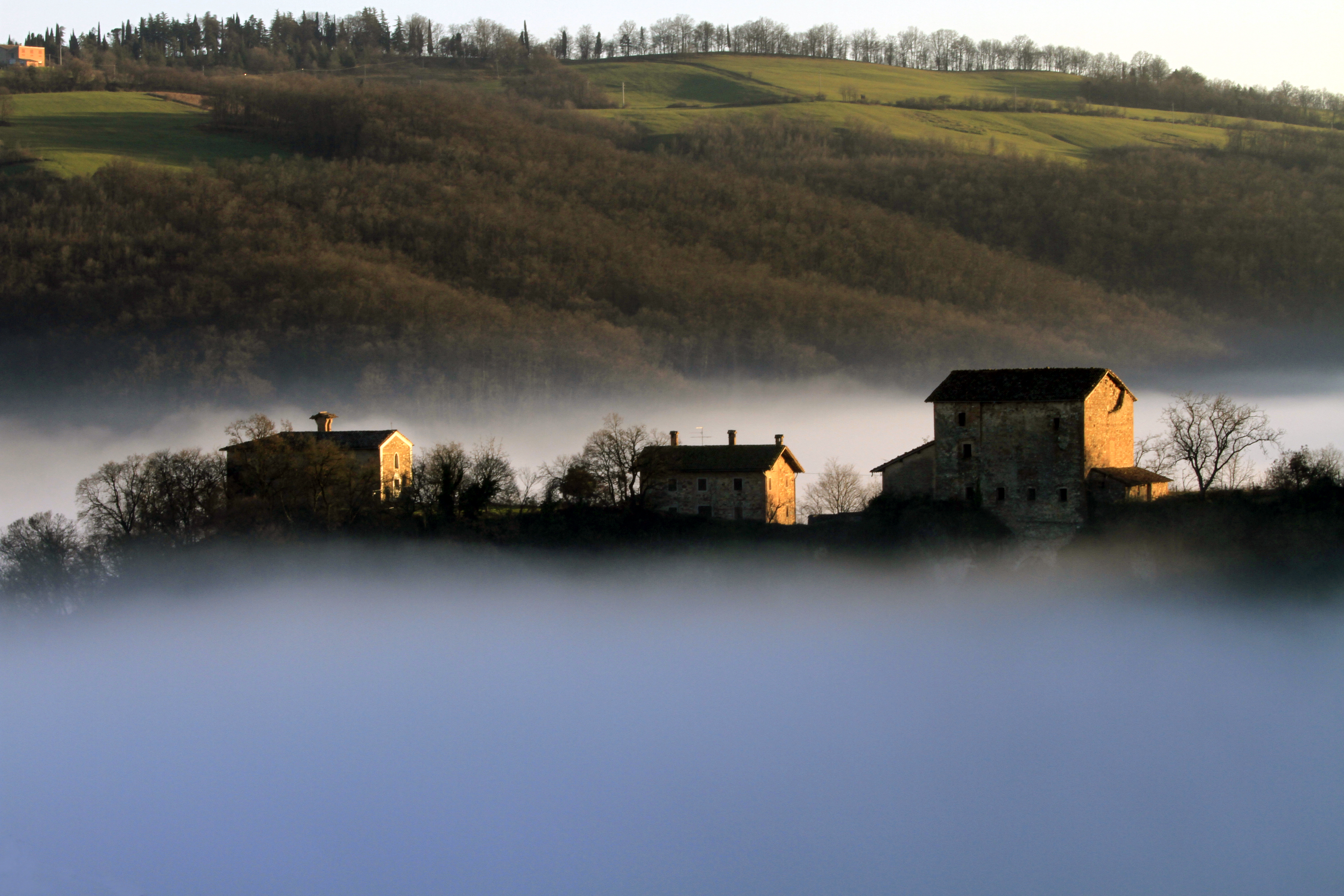
Nestled in the rolling hillside, the castle nevertheless retains all the charm of a fortified residence rich in history and atmosphere.
Its origins date back to the 10th century, when the castle was owned by the Bishop of Reggio. In 1243, it passed into the hands of the powerful Fogliani family, and starting in 1367, it entered the domains of the Manfredi family.
During this period, the castle reached its maximum territorial expansion, encompassing numerous surrounding hamlets and settlements such as Caselle, Casematte, Borzano, Razzola, and Poiano.
In 1618, Count Paolo Manfredi sold the complex, partly to Cardinal Domenico Toschi and partly to Count Francesco Vezzani.
The castle remained with the Toschi family until 1901, when it was transferred to new owners.
Throughout the 20th century, several families succeeded one another, leading up to the current ownership by the Bertani family, testifying to a long and complex history.
The castle's current structure dates back to the late 14th century. A major restoration project was carried out in 1927 under the direction of engineer Otello Siliprandi, who helped highlight its historic architectural features.
The complex features an irregular layout and a merloned tower with machicolations in the northwest corner a classic medieval defensive element.
Access to the castle is via a stone staircase leading to a spacious entrance hall with a coffered ceiling.
Here, an iron-bound trapdoor leading to an underground area once used as a prison is still visible.
Inside, a series of barrel-vaulted rooms leads to a vast upper hall lit by large windows and embellished with a monumental fireplace with a scagliola hood decorated with noble coats of arms.
Fragments of 17th-century friezes also remain, while historical sources report the presence of a chapel as early as the 15th century.
At the end of the 18th century, Montericco had 488 inhabitants and represented an important local hub.
Following the Restoration, the locality first became part of the Municipality of Scandiano and later, in 1859, the Municipality of Albinea, concluding its historical and administrative evolution.
Contacts
Via Castellana, 42 - 42020 Albinea (località Montericco - RE)
Keep exploring