Castellarano Castle
Timetable
Closed to the public.
From Matildic fortress to modern rebirth
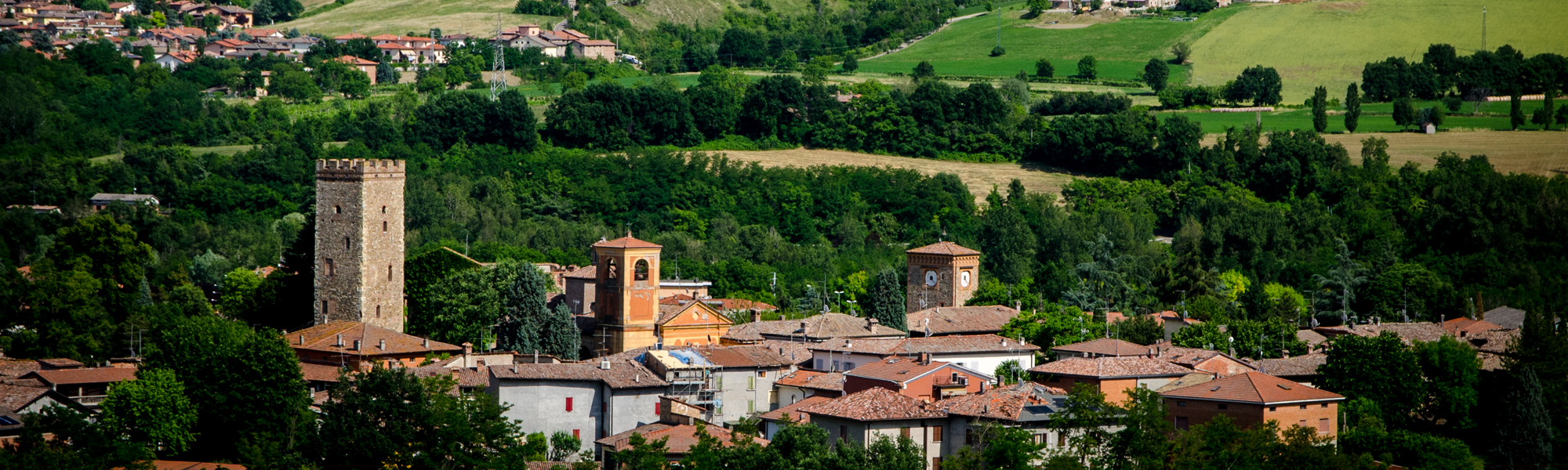
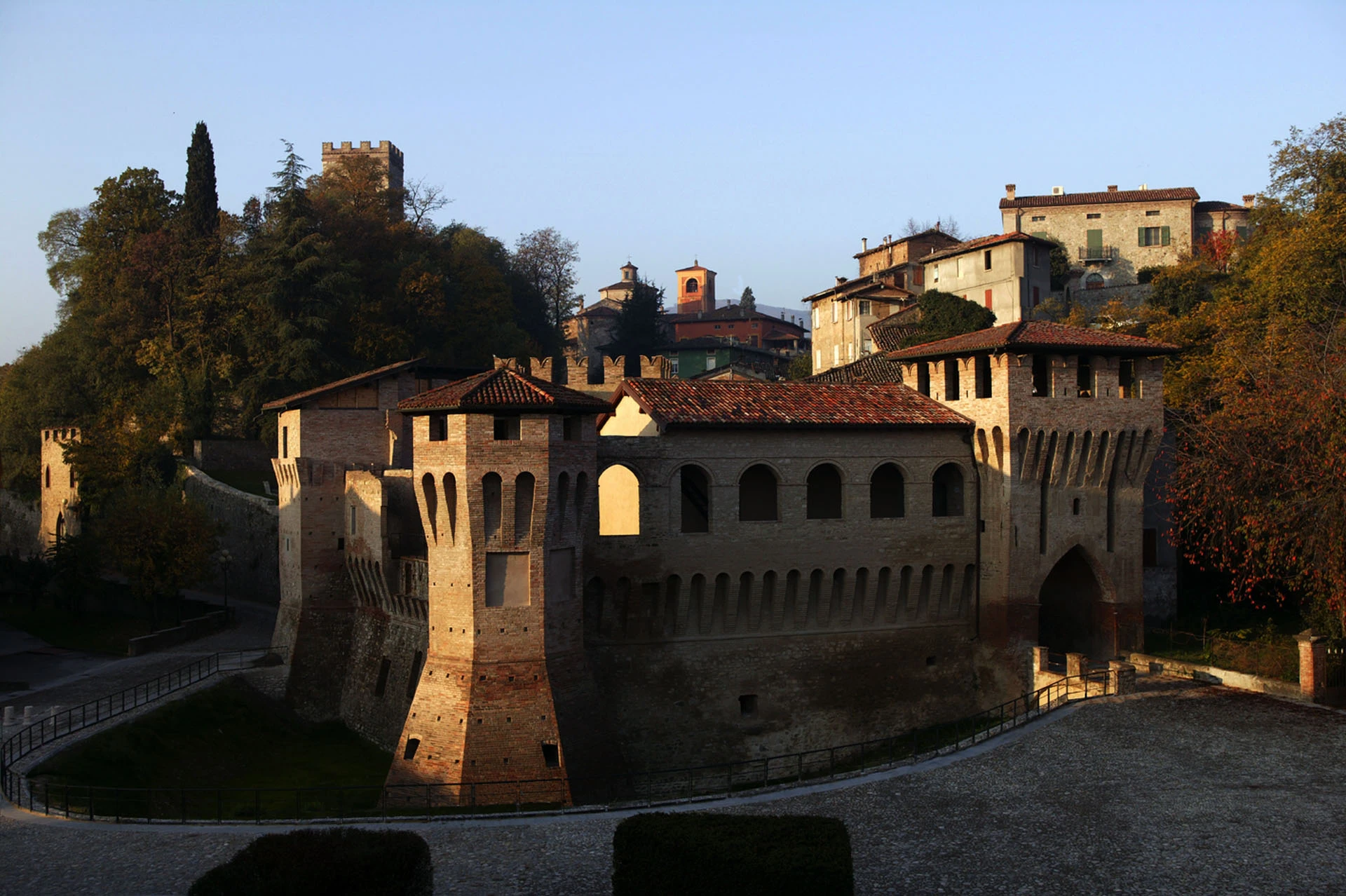
Castellarano Castle traces its roots back to the Matildic era, forming an integral part of the defensive network established by Countess Matilda of Canossa.
She entrusted the fortress to the knight (miles) Raniero, who was appointed Count of Castellarano and governor of the territory.
This strategic stronghold dominated the political and military history of the region for centuries.
Upon Matilda's death in 1115, the castle and its fief remained with Count Raniero and subsequently passed through the hands of various feudal lords.
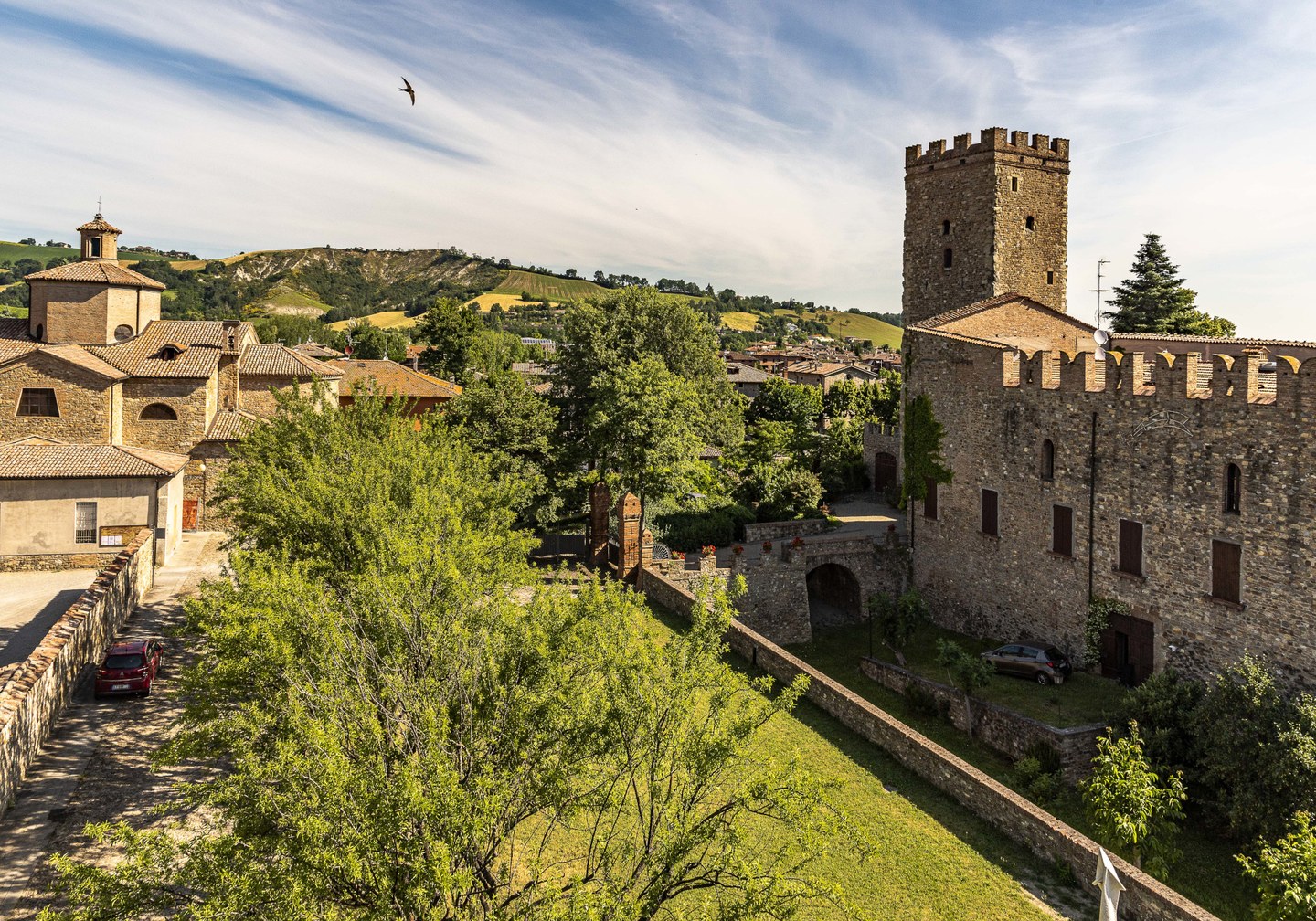
Over the centuries, the fortress underwent multiple modifications and transformations: in 1481, the access bridge collapsed into the moat below, and in 1558, the structure suffered severe damage that led to the lowering of the main tower, known ever since as the "torre mozza" (truncated tower).
The fortress was later adapted for residential use, temporarily losing its monumental character. It was the last feudal lord of the Este–San Martino line, Marquess Carlo Filiberto II, who transformed it into an elegant stately palace embellished with gardens, fountains, and statues.
Municipal archive documents recount a massive construction site that required over 500 carts to transport stone, brick, lime, and sand.
To feed the fountains, the Marquess commissioned a thirteen-arch aqueduct that channeled water from an area known as "La Valle", highlighting the complex's aesthetic refinement and grandeur.
In 1777, the fortress underwent another restoration by the feudal lord Gaudenzio Valotti.
Upon his death, the castle passed to Duke Ercole III of Modena, who transferred its most precious furnishings to his villa in Mugnano.
With the arrival of the French and the abolition of feudal fiefs, the castle was sold first to the Canevazzi family and later to the Casali family, whose heirs remain its owners today.
A dramatic event profoundly marked the castle's recent history: on July 20, 1944, during World War II, the fortress was set on fire in a retaliation raid by German troops and reduced to ruins.
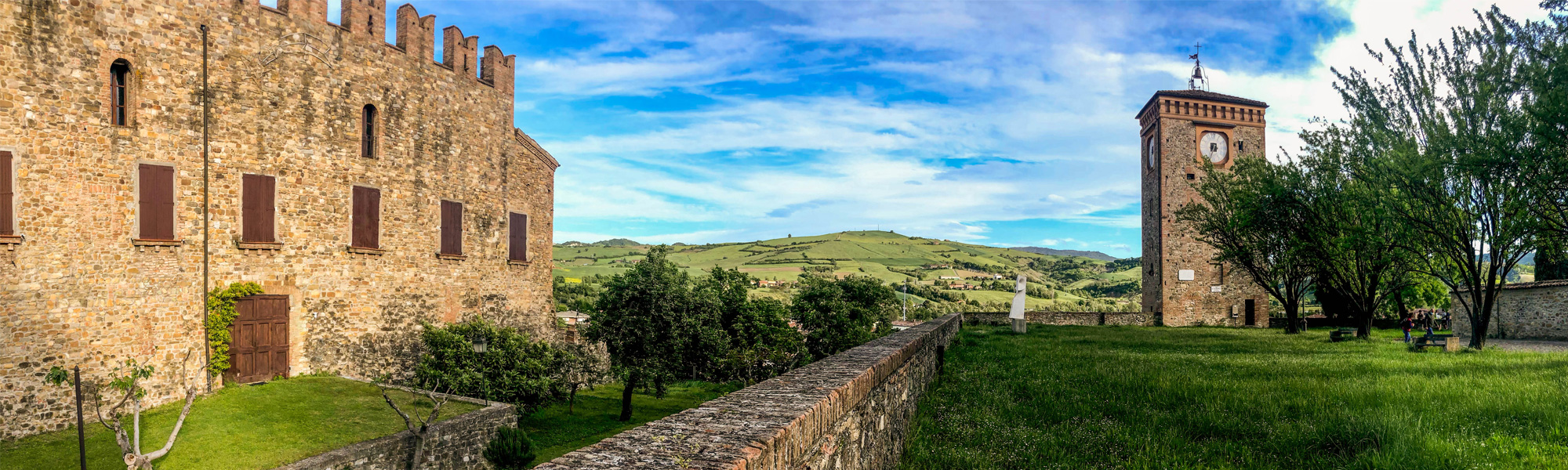
Reconstruction began only in 1974, executed under the supervision of the Superintendency of Fine Arts, which uncovered the original battlements and restored the castle to the appearance we admire today.
Contacts
Via Torre, 1 - 42014 Castellarano (RE)