Permanent Exhibition of Rural Life
Novellara
Timetable
Every first Sunday of the month
10.00 am - 12.30 pm
3.00 pm - 6.30 pm
Prices
Free Admission
Mostra permanente della Civiltà Contadina
Stepping into the Permanent Exhibition of Rural Life in Novellara means taking a journey into the memory of the local area, discovering the daily life, trades and traditions that shaped the Reggio Emilia countryside.
The origins of the museum date back to the first half of the 1970s, when students from Novellara's secondary school, engaged in research on their grandparents' work, began collecting farming tools, utensils and objects from rural life.
Thanks to the invaluable contribution of teachers, families and citizens, that collection soon transformed into a major project dedicated to safeguarding local memory.
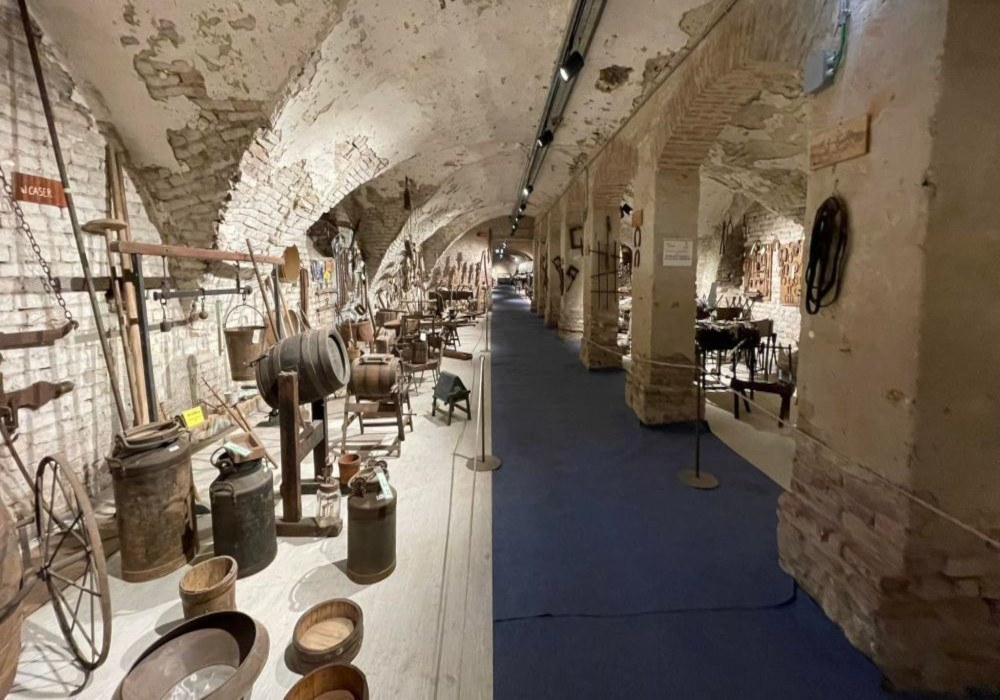
Today, the museum houses thousands of exhibits charting field work, domestic life and ancient artisan crafts, offering an authentic insight into Emilian rural culture.
A heritage born from the participation of the entire community, which continues to pass down the value of its roots to new generations.
The exhibition pathway also highlights the deep connection between the land and its food and wine excellences.
Iconic products such as Parmigiano Reggiano PDO, Lambrusco DOC, cured meats, honey and Anguria Reggiana PGI / watermelons are indeed the result of knowledge, techniques and traditions handed down over time, which the exhibition helps to preserve and share.
The Permanent Exhibition of Rural Life is housed in the fascinating 15th-century cellars of the Rocca dei Gonzaga, one of Novellara's most iconic historic buildings.
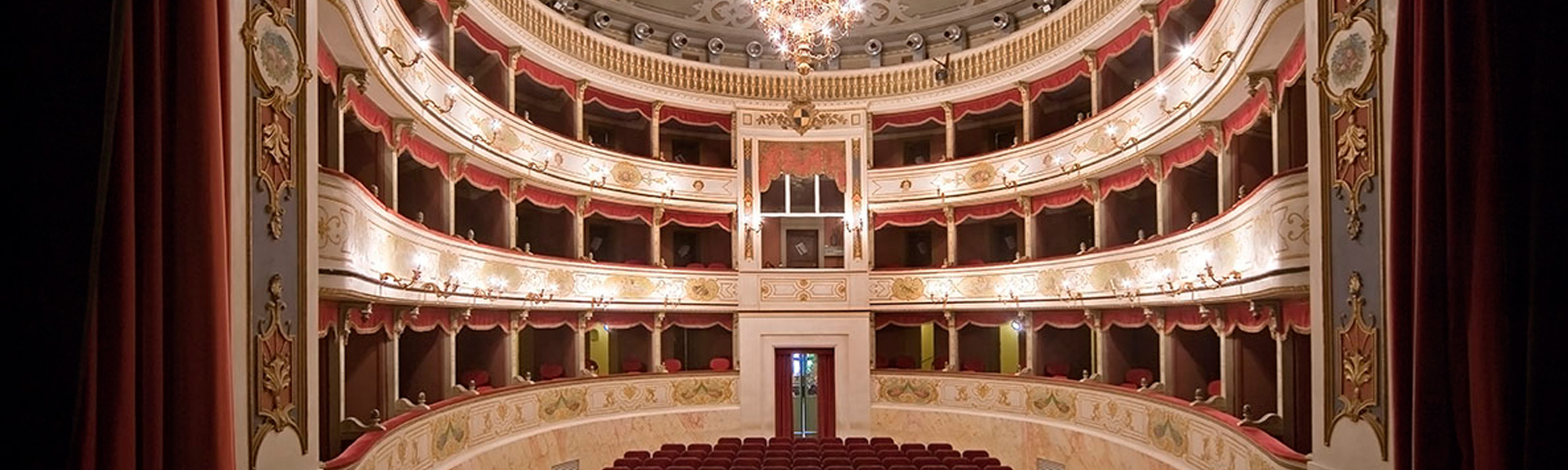
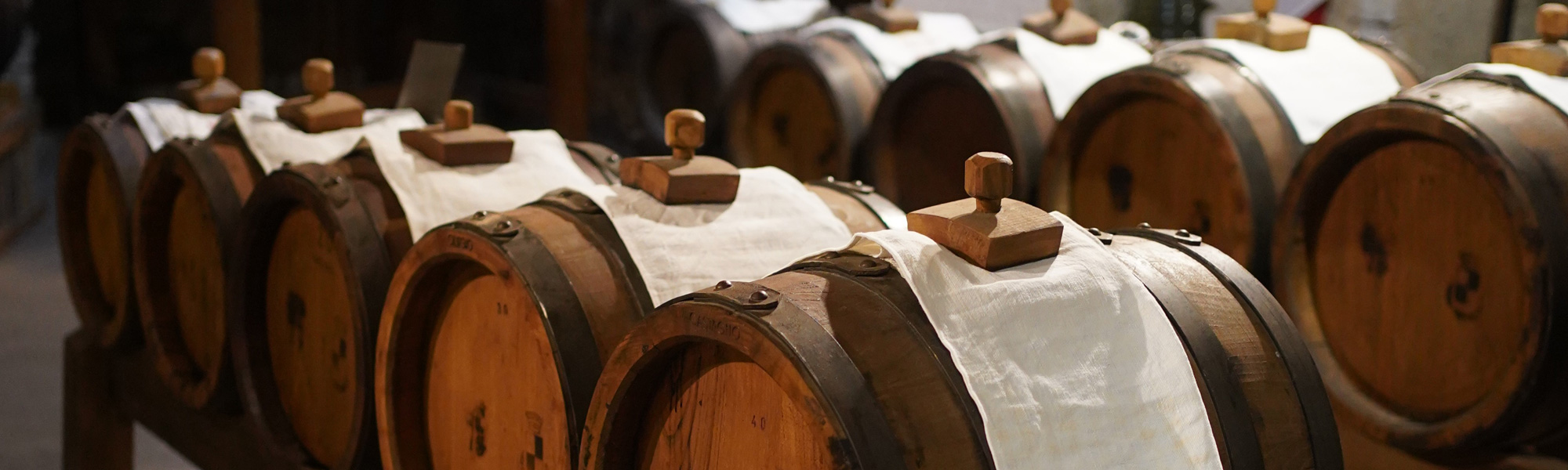
Here, the museum is part of a rich cultural hub that also includes the Gonzaga Museum, the Franco Tagliavini Theatre and the Municipal Balsamic Vinegar cellar (Acetaia Comunale), offering visitors a comprehensive experience encompassing the history, culture and traditions of the area.
To this day, the museum keeps its original spirit alive, promoting activities dedicated to schools, young people and visitors of all ages, thanks to the invaluable commitment of volunteers and the local community who continue to safeguard and enhance this extraordinary heritage.
Contacts
Via Piazzale G. Marconi, 1 - 42017 Novellara (RE)
Keep exploring