San Polo d'Enza Fortress
Timetable
Accessible during regular municipal office opening hours.
Medieval Heart and Civil Memory
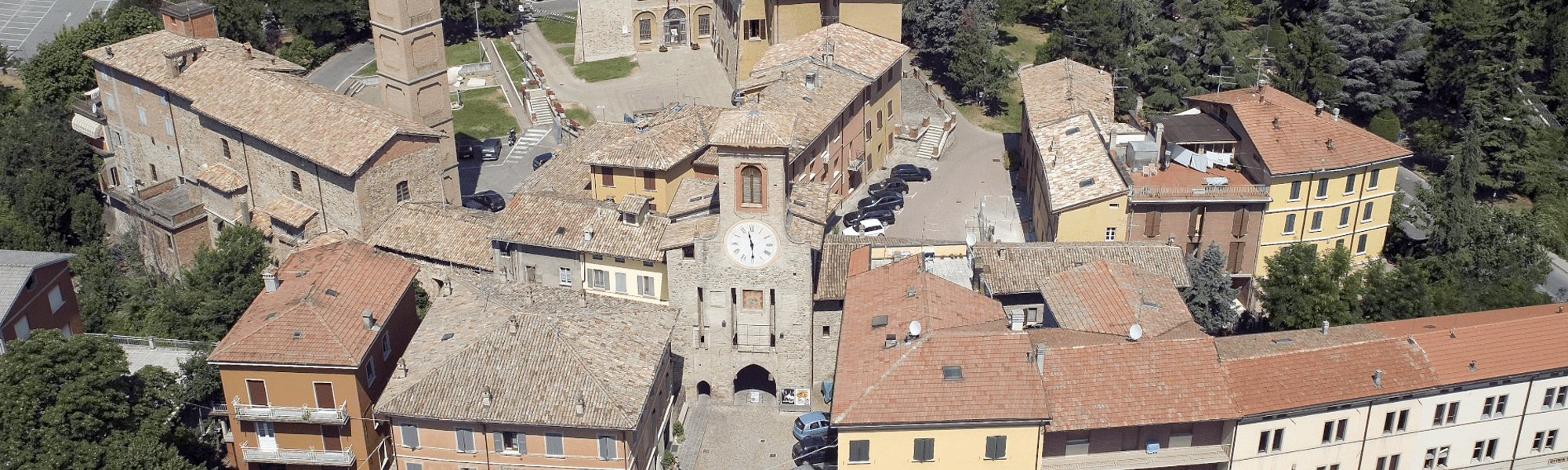
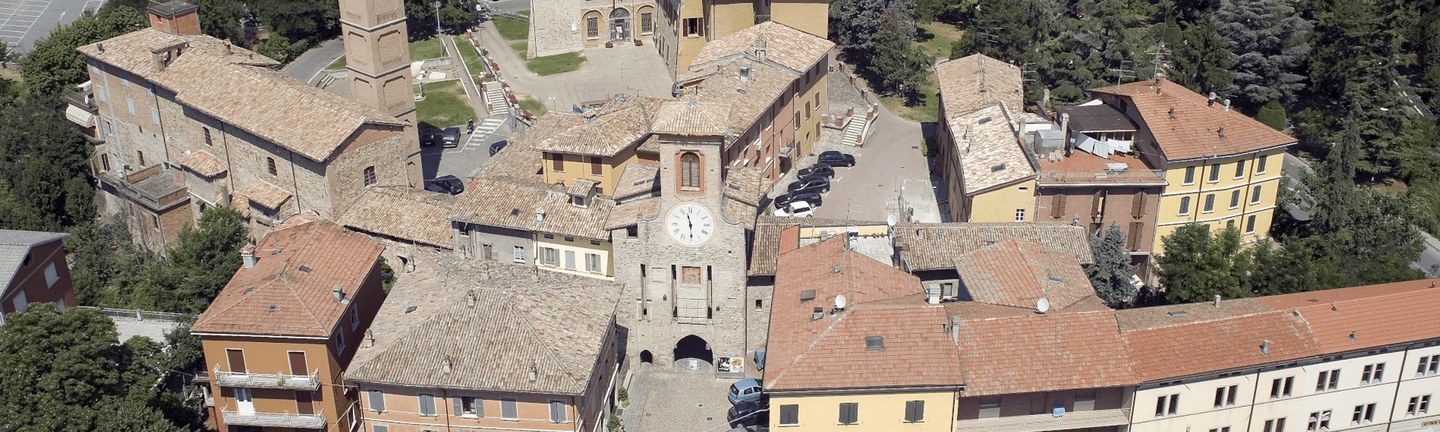
The Rocca di San Polo d’Enza dominates the historic center of the town, forming - alongside the Castle Church (Chiesa del Castello) and the Clock Tower (Torre dell’Orologio), the original medieval core of the settlement.
Originally built as a defensive fortress, it transformed over the centuries into a stately noble residence.
Today, it houses the municipal offices and the Resistance Museum (Museo della Resistenza), standing as a symbol of local identity and memory.
While its precise foundation date remains unknown, historians place the castle's construction shortly after 980 AD, following the establishment of the nearby Pieve di San Pietro in Caviano.
While the parish church managed the alluvial lands, it lacked defensive capabilities; this prompted the construction of a fortified structure at the strategic intersection where the ancient foothill road met the Enza Valley.
From its origins, the castle belonged to the powerful Canossa dynasty.
In 1092, Emperor Henry IV is documented to have halted here prior to his clash with Matilda of Canossa's forces.
Following Matilda’s death in 1115, control of the fortress was fiercely contested between the Communes of Reggio Emilia and Parma, alongside local feudal dynasties.
Reggio Emilia initially prevailed, even ordering the partial destruction of the stronghold as an assertion of power over the local population.
Between 1296 and 1297, Azzolino Canossa sold the castle to the authorities of Parma in exchange for Parmense citizenship.
Over the next five centuries, the stronghold passed through a succession of prominent noble houses, including the Contrari, Gonzaga, Este, Fogliani, and Gherardini families, frequently remaining within the House of Este's sphere of influence.
During the 17th century, under the lordship of the Gherardini of Verona, the complex underwent extensive architectural overhauls.
As its military necessity waned, it was redesigned into a stately manor: the moats, canal networks, drawbridges, tower, and curtain walls were all refurbished to reflect noble residential standards.
In 1796, administration passed to the Municipality of San Polo.
Although temporarily restored to the Gherardini family after the Restoration, the local community permanently repurchased the complex in 1884.
Major restoration works initiated in 1978 helped reconstruct the complex layers of architectural modifications the site had endured over centuries of use as a magistrate's court, elementary school, public administrative offices, and storehouses.
Contacts
Piazza 4 Novembre, 1 - 42020 San Polo d'Enza (RE)
Keep exploring